
The short version
Korea is not a country where everything is cheap.
The prices that genuinely drop are cosmetics, Daiso household goods, Korean food like gim and ramyeon, market socks, and eyeglasses made in about an hour. Fruit and bread cost more here, not less. Sort your list into the two columns before you shop and the same budget carries further.
Right now
- 1Keep your passport on you. At shops with a Tax Free sign, pay over 15,000 won in one go and the tax comes off at the till.
- 2Split your shopping list into two columns. Mixing what is cheap here with what is not drains a budget fast.
- 3If you wear glasses, visit an optician early in the trip. A new pair is usually ready within an hour.
The same products, priced in Korea, the US and Japan, each with the day we checked.See the price check →
What to have ready
- The passport itself: Immediate tax refund needs the physical document checked at the till. A photo will not do.
- Your current glasses or prescription numbers: They give the optician a baseline. Without them, an eye test on the spot works too.
- Empty space in your suitcase: Ramyeon and gim are light but bulky. Half your luggage home tends to end up being things bought here.
Phrases you can copy and paste
Step by step
- 1
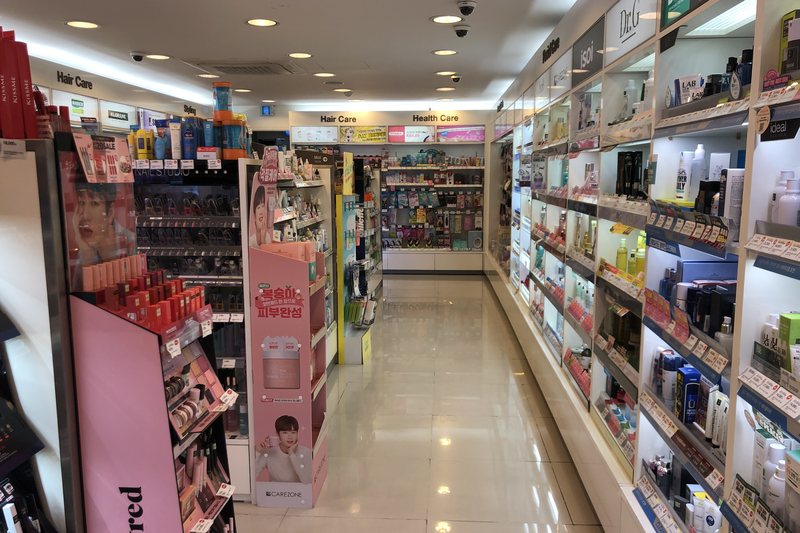
Cosmetics are cheapest where they are made
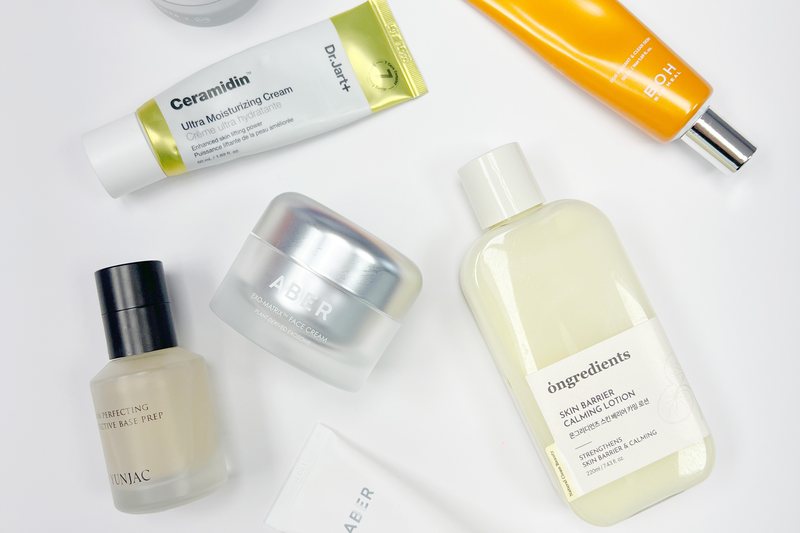
The reason Korean cosmetics cost less here is simple. The companies that make them and the shelves that sell them are in the same country, and those shelves compete hard with each other. Buy Korean skincare abroad and the price carries import logistics and a local distributor's margin. Here it carries neither. On top of that, Olive Young and the road shops rotate promotions every month, and a 1+1 tag means two items for the price of one. The lighter the product and the more of them you buy, sheet masks and lip products being the obvious case, the bigger the gap grows. How to read the shelves and claim the tax back is covered in the Olive Young guide.
- 2
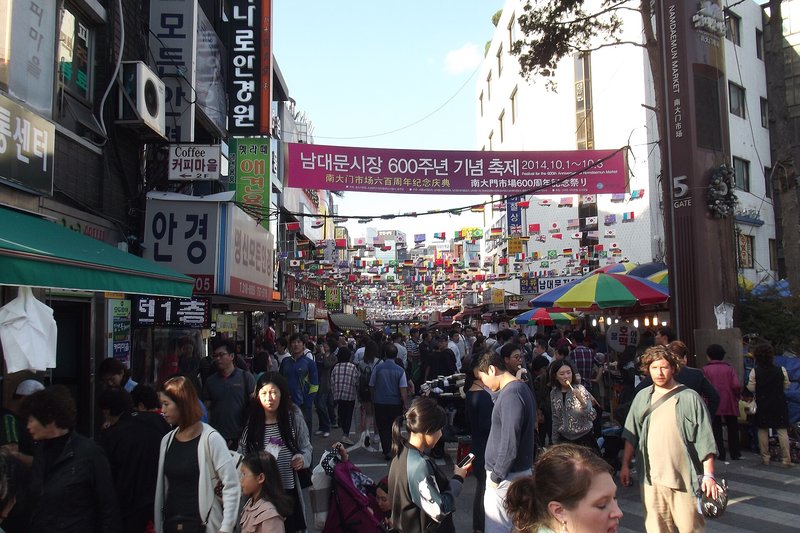
Glasses are a one-hour custom order
Ordering new glasses in the middle of a trip sounds odd until you see how Korea does it. Walk into an optician, get your eyes tested on the spot, pick a frame and lenses, and unless something unusual is involved the finished pair is in your hands within the hour. The Korea Tourism Organization itself recommends the service to foreign visitors, pointing to an optician that has stood in Namdaemun Market for over thirty years. Compared with countries where one pair means booking an exam and waiting weeks, this wins on both craft and price. One caveat: lenses that need extra work, such as strong compressed prescriptions or progressives, can take a day or two, so hand them in early in your itinerary.
- 3
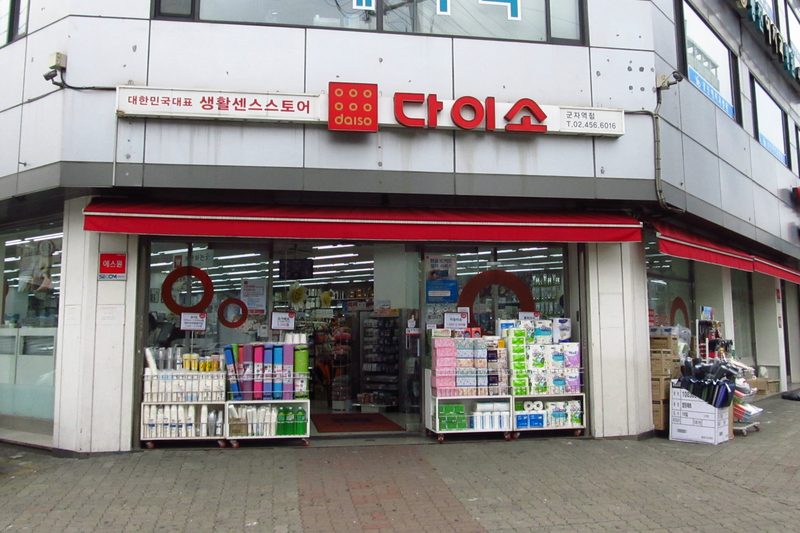
At Daiso you stop reading price tags
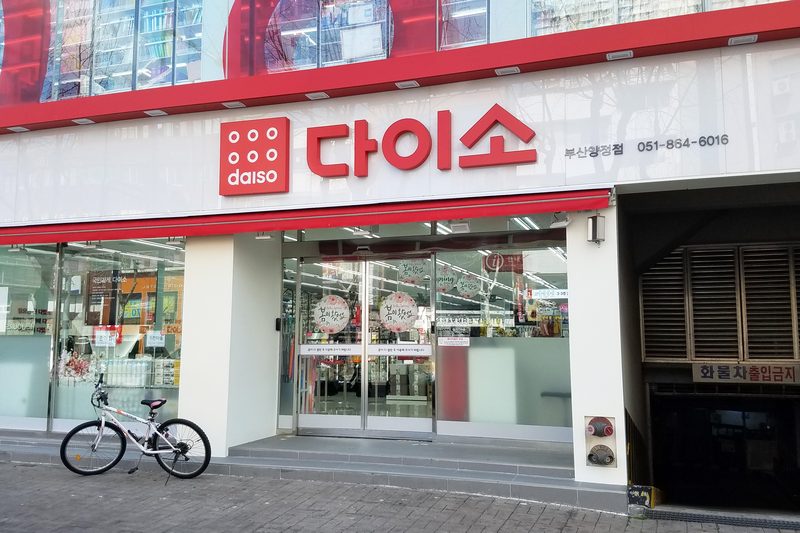
Daiso is the fixed-price household store found on practically every Korean high street. Prices run in just a few steps from 500 to 5,000 won, so the shelf itself tells you what things cost. Storage boxes, travel-size bottles, stationery, kitchen bits, phone accessories, the sort of things a trip suddenly demands are all inside that range. The model runs on bulk orders and thin margins, which is why the quality for the price tends to beat budget stores elsewhere. When you are packing and something is missing, the nearest Daiso beats any travel goods shop.
- 4
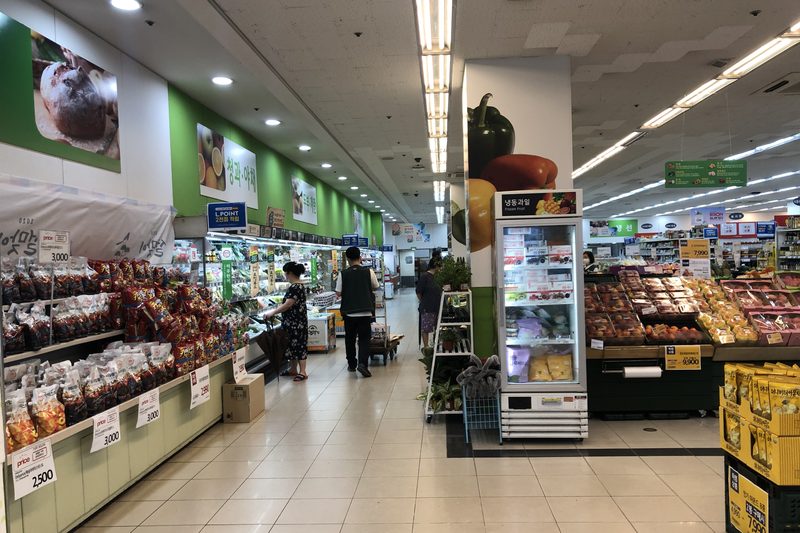
Gim and ramyeon at origin prices
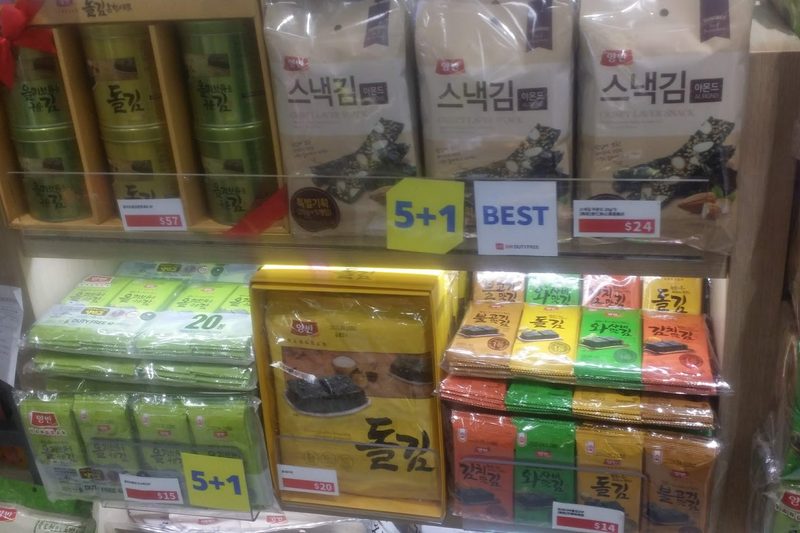
If you have ever picked up a pack of gim or a bundle of ramyeon at a Korean grocery abroad, the supermarket shelf here makes the difference obvious at a glance. The price no longer carries shipping across an ocean or a local importer's cut. Supermarkets and convenience chains fight over the same domestic customers, so promotions are constant too. Gim is flat and nearly weightless, so dozens of packs disappear into a suitcase without registering, and snacks and instant coffee sachets travel just as well. One habit worth keeping: read the ingredients on ramyeon first. Products containing meat cannot enter some countries.
- 5
Buy socks by the bundle at market stalls
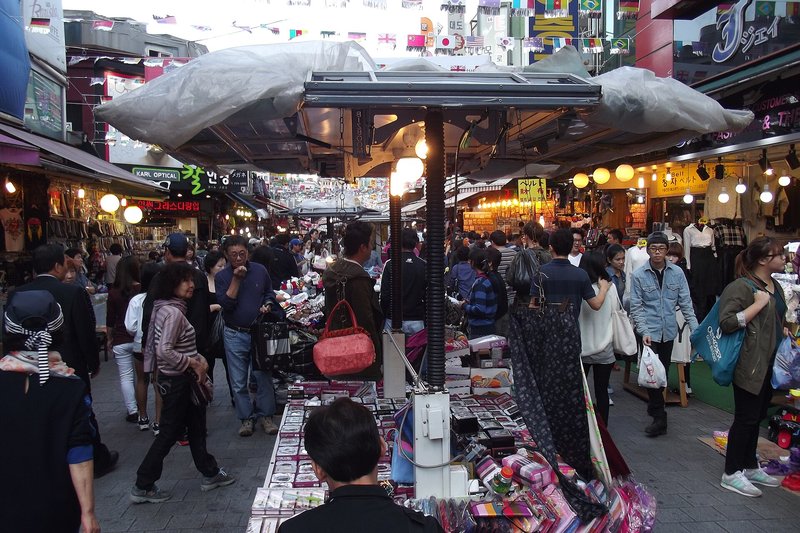
Walk through Namdaemun Market or the Dongdaemun area and you keep passing stalls with socks stacked into small mountains. Korea has a deep manufacturing base for socks and basic clothing, and a few thousand won buys several pairs. Designs run from plain to cartoon characters, which makes them an easy lightweight gift. They weigh nothing and compress flat, so they are the perfect filler for the last corners of a suitcase. Stalls sit at subway exits and market alleys everywhere, so there is no need to seek them out.
- 6
The tax refund takes prices one step lower
Every price above includes value added tax, and foreign travellers can claim that tax back. At shops carrying a Tax Free sign, pay between 15,000 and 1,000,000 won in a single transaction, show your passport at the till, and the tax comes off on the spot as an immediate refund. The whole trip can total up to 5,000,000 won. Goods must be new and unopened, and you have to leave Korea within three months of purchase. Chains that see a lot of tourists, Olive Young and Musinsa Standard among them, nearly all run the scheme, so the only habit to build is taking your passport out before paying.
Watch it happen
Videos other people made, picked because they show a part of this guide that words cannot. They are not our sources: the rules and figures above come from the official pages listed at the end.
A Guide to Buying Prescription Glasses in NamDaeMun Market | Seoul, South Korea
Channel: TwinSpeak, English narration
You watch someone compare optician stalls in Namdaemun Market and order a pair at a small shop, so the counter this guide sends you to is one you have already seen.
Korea's Tallest Daiso! 12th Floor Shopping in Myeongdong | 1,000 KRW Shop | $1 Store in Seoul
Channel: Ahnso Korea, English narration
The video walks the Myeongdong Daiso floor by floor, past travel goods, kitchenware and stationery, so you can see how much of what a trip suddenly needs sits inside one store.
How Expensive is E-Mart Korea? 🇰🇷 Grocery Prices & Food Review
Channel: Seoulful K-shopping, No narration, on-screen price tags
The store is walked aisle by aisle with the shelf tags in shot and no narration over the top, so you can put the snack shelf and the fruit counter side by side yourself.
The Korean words
- 얼마예요?eolmayeyo?, how much is this
- The phrase you will use most at market stalls.
- 균일가gyunilga, flat price
- Seen on Daiso shelves. Everything on that shelf costs the same.
- 시력검사siryeok-geomsa, eye exam
- Done on the spot at the optician. No need to bring a prescription.
- 오늘 돼요?oneul dwaeyo?, can it be done today
- Ask when handing over a glasses order. The answer is usually yes.
- 묶음mukkeum, bundle pack
- Bundles beat single items. Ramyeon and socks are the classic cases.
- 덤deom, a little extra thrown in
- Market custom of adding one more when you buy plenty. Offered, not demanded.
- 매운맛maeun-mat, spicy
- Check for this word on ramyeon packaging. Not every red packet is hot.
Easy to miss
- Fruit as a gift is a price shock waiting to happen. In Korea fruit sits closer to the gift counter than the grocery basket, and bread and dairy are not cheap either.
- Electronics are not guaranteed to cost less in Korea, even Korean brands. Check the online price at home before walking into a store.
- Ramyeon and instant foods containing meat are barred from entry by several countries, the United States among them. Read the ingredients, and declare at customs when unsure.
- Gochujang tubes and sesame oil count as liquids. Cabin limit is 100mL per container, so larger sizes go in checked luggage.
- Glasses timing depends on the lenses. Hand in a strong compressed or progressive prescription the night before departure and you may fly out without it.
You can skip this if
- If luxury goods or electronics are the goal, this guide will not help. Those prices are set by exchange rates and sale seasons, and the fact of being in Korea plays almost no part.
- If you are staying for months rather than travelling, the immediate refund may not apply to you. Leaving Korea within three months of purchase is what keeps it valid.
When it is time for a person
- If you are setting up a household rather than shopping for a trip, one word from someone who knows which shop in which neighbourhood is cheap for what beats a list of ten.
Where this comes from
Rules, fees and deadlines change and depend on your exact case. Please confirm the details with the official sources before you act.