Daily life
Chicken bones and eggshells go in the official waste bag
In Korea, trash is sorted by type before it goes out. General waste that cannot be recycled goes in the official waste bag for where you live, and leftover food is drained and put in a food waste bag or collection bin. Chicken bones, clam shells, eggshells and peach pits are not food waste. They go in the official waste bag. Paper cartons such as milk and soy milk cartons go out on their own, not with newspapers or boxes. How waste is sorted and kept is set by local ordinance, and a household that breaks the rules is fined 100,000 won the first time.
Last verified:
The holiday week starts with dates people get wrong
Chuseok 2026 falls on Friday 25 September, and the public holidays run from the 24th to the 26th. None of them lands on a Sunday this year, so no substitute holiday is added. The break runs four days to Sunday the 27th, and Monday the 28th is a normal working day. Government offices, immigration counters and bank branches stop for those four days. Convenience stores, subways and emergency rooms keep going. The two things worth sorting out in advance are train tickets and medication.
Last verified:
Why there is a queue outside the rice cake shop
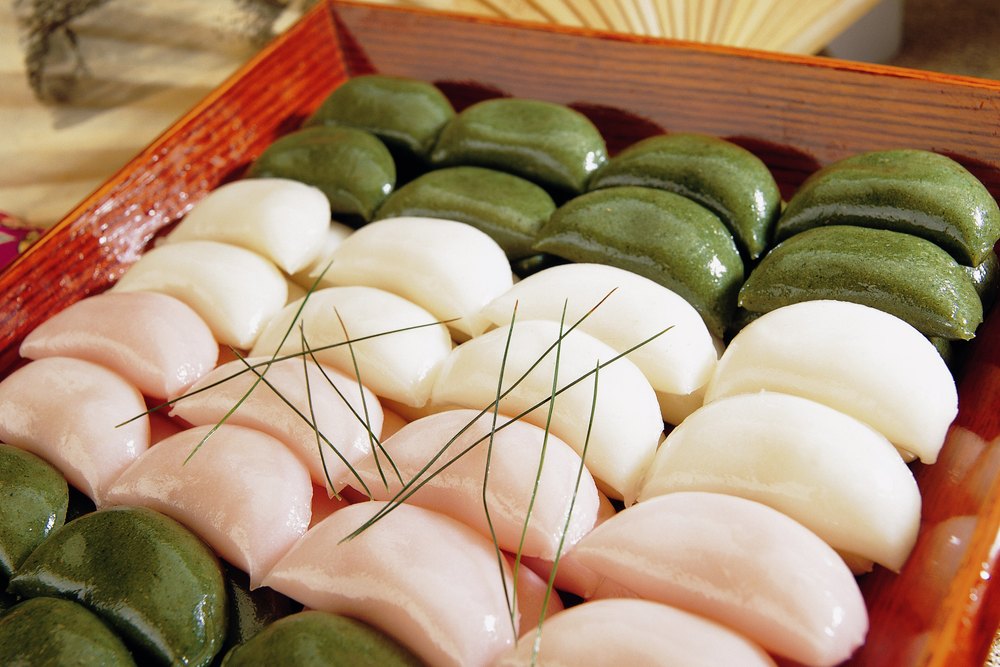
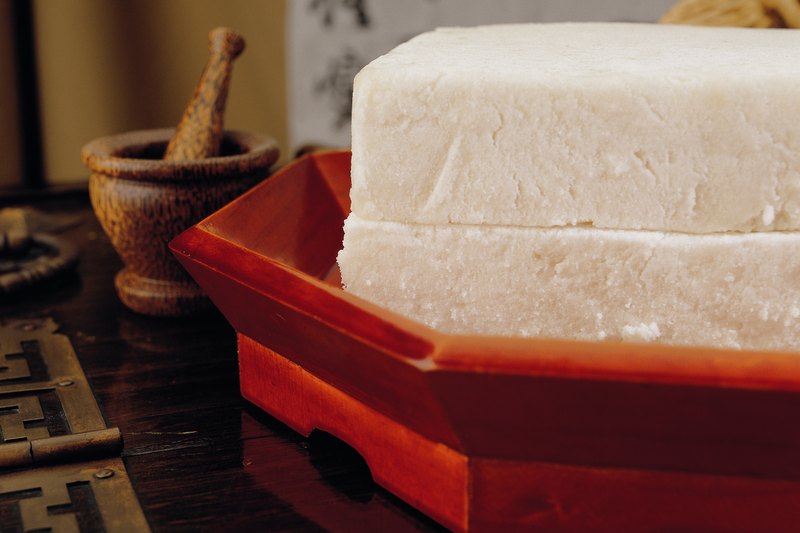
Tteok is closer to rice than to bread, which is why you eat it the day you buy it. The queues outside rice cake shops right now were made by pizza seolgi, a plain white steamed rice cake topped with tomato sauce, cheese and pepperoni, but convenience store rice cake sales had been roughly doubling every year before those queues appeared. This guide covers how to read the names on the shelf, how to eat tteok before it hardens, and how to get hold of pizza seolgi, as of 8 September 2026.
Last verified:
What to know on the day you go to a KBO game
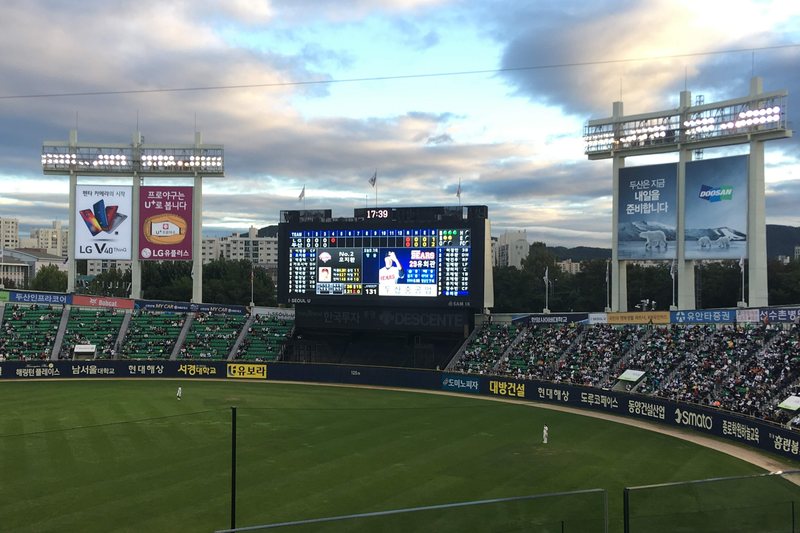
Tickets are sold by the home club, not by the KBO. There are three different vendors and each has its own sign-up hurdle, so start by checking who the home team is for the game you want. You can bring your own food in, but glass bottles, cans and plastic bottles over 1 liter are turned away at most gates. The 2026 regular season has been extended to 7 October, with the postseason following after that.
Last verified:
What the chicken order screen is asking you to choose
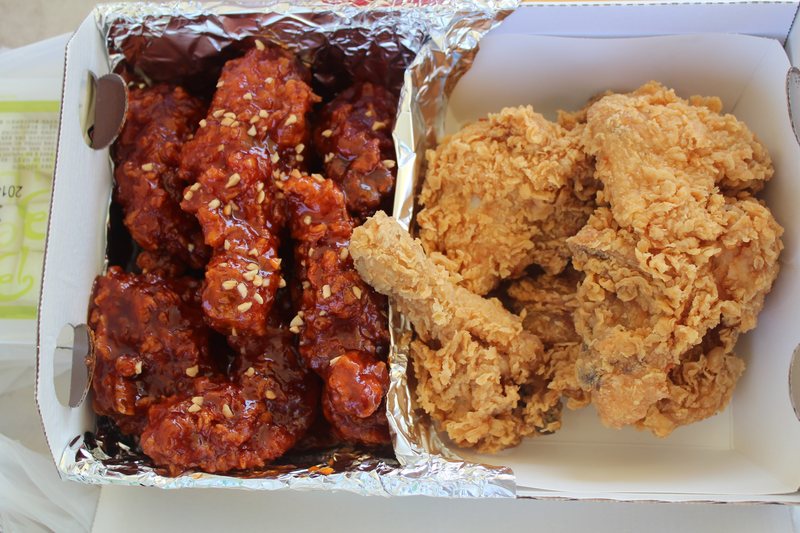
Order chicken through an app and beer can come with it. But if the alcohol costs more than the food, that order is not a delivery the law allows. Bone-in or boneless, half and half, an extra tub of pickled radish: those are matters of taste, not price. The delivery fee and the minimum order are set by each shop, so the same chicken comes to a different total on each app.
Last verified:
Noraebang and coin karaoke, from walking in to walking out
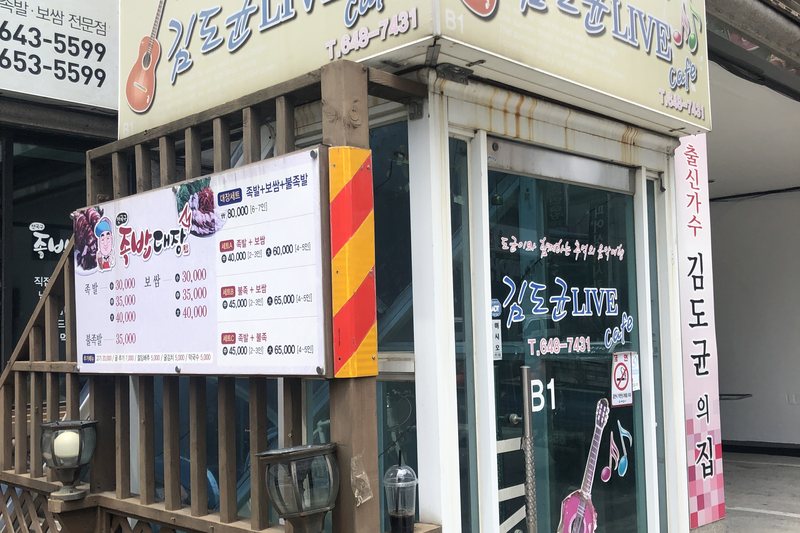
If the sign registers the place as a singing practice room, the law bans both alcohol and hostesses there, so nothing can be added to the bill beyond the room. A place that sells alcohol is not a noraebang but a bar, and its pricing is a different world. Once you know that one distinction, getting a room takes a few minutes whether you are alone or in a group.
Last verified:
What to read first on a Korean barbecue menu
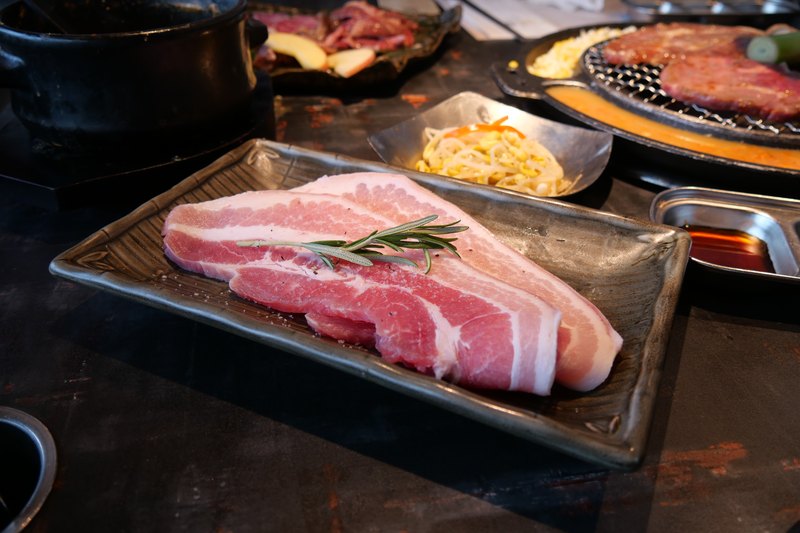
No law says how many grams make one portion. Some places serve around 150 grams, others 200. Any shop selling meat has to post a price per 100 grams, so when comparing prices, look at that number rather than the portion price.
Last verified:
How jjimjilbang and bathhouses work
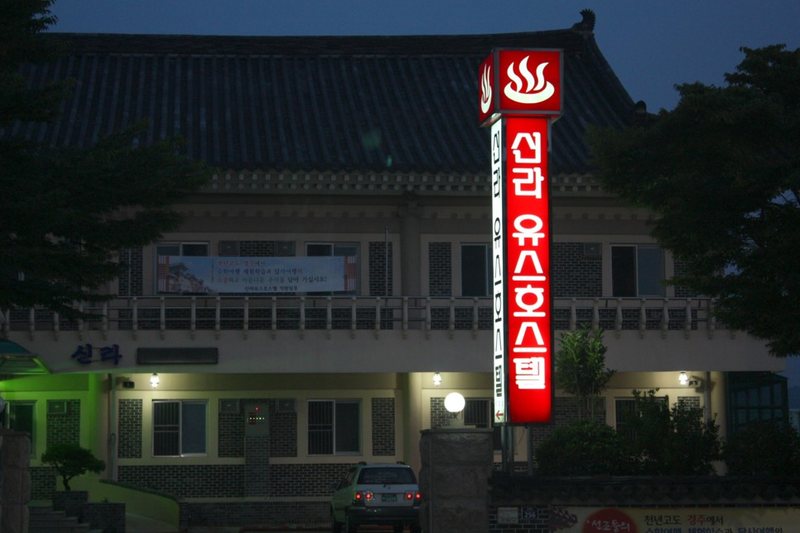
Buy only the bath at the counter and you get no clothes. The jjimjilbang is the floor you use in those clothes, shared by men and women, so the outfit is effectively the ticket. The bathing side is naked and separated by sex, and it is priced apart from the start.
Last verified:
What actually gets cheaper in Korea
Korea is not a country where everything is cheap. The prices that genuinely drop are cosmetics, Daiso household goods, Korean food like gim and ramyeon, market socks, and eyeglasses made in about an hour. Fruit and bread cost more here, not less. Sort your list into the two columns before you shop and the same budget carries further.
Last verified:
The sign says emart, but which one
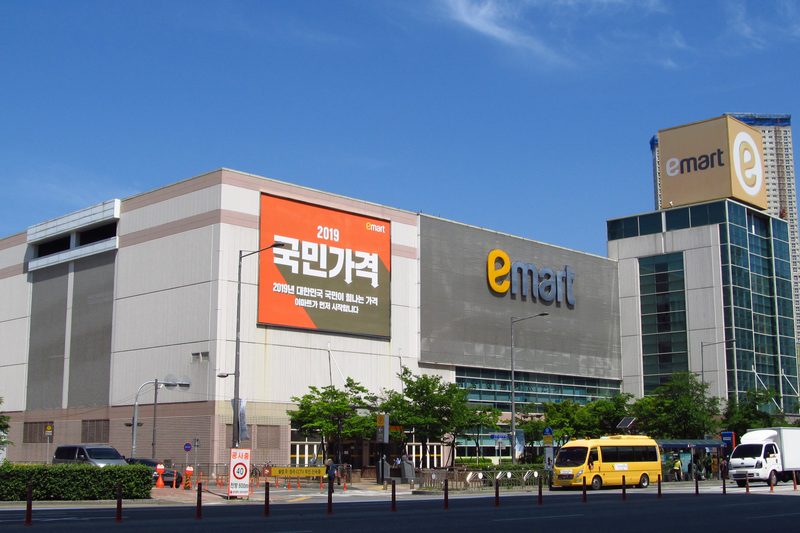
The yellow emart sign belongs to five different shops: the big-box E-mart, warehouse-style Traders, neighbourhood supermarket Everyday, own-brand specialist No Brand, and the convenience store emart24. The first four have two closing days a month and mostly stay shut before 10am. The 24 in emart24 is not a promise about opening hours. The word after the sign tells you the shop type, and reading it keeps you from standing at a locked door.
Last verified:
MUSINSA and MUSINSA Standard are different shops
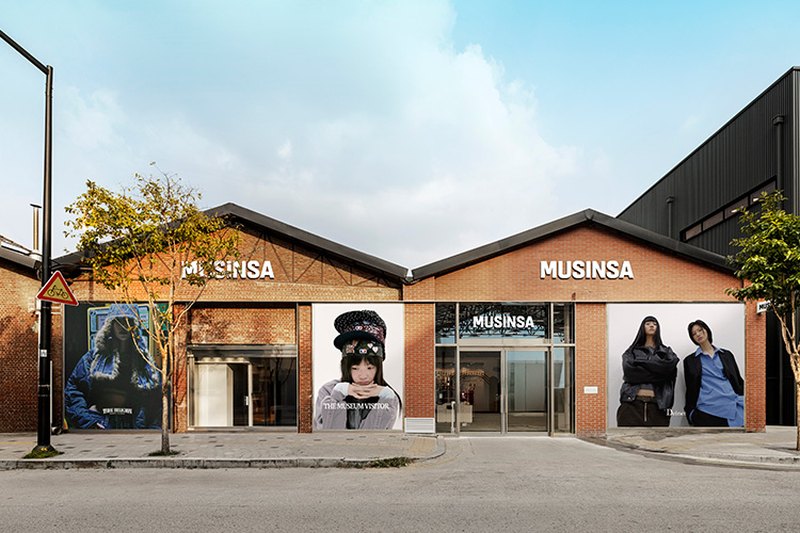
MUSINSA is an online clothing platform, and the shops carrying that name split into two kinds. MUSINSA Store, which gathers many brands under one roof, often refuses cash outright, while MUSINSA Standard, which sells the house label, carries a tax refund notice. Which one you head for is decided by how you plan to pay rather than what you want to buy.
Last verified:
Choosing what to buy at Olive Young
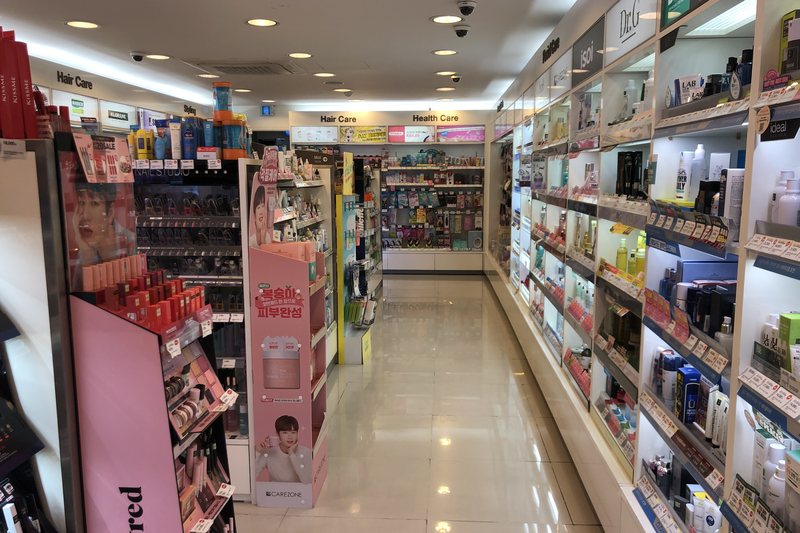
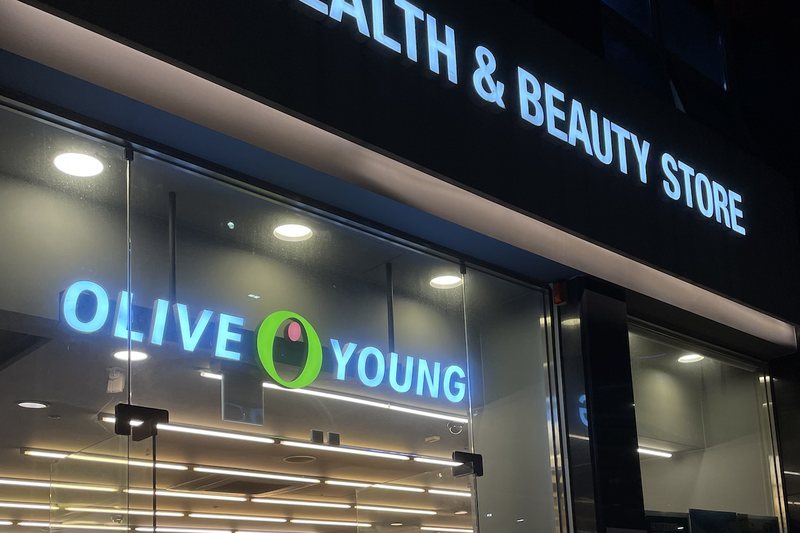
Olive Young sits somewhere between a pharmacy and a convenience store rather than being a cosmetics shop. Bring your passport and the tax comes off any single receipt over 15,000 won right at the till, and the 1+1 shelf tags cut prices in half. How you buy moves the total more than what you buy.
Last verified:
How Korean convenience stores work
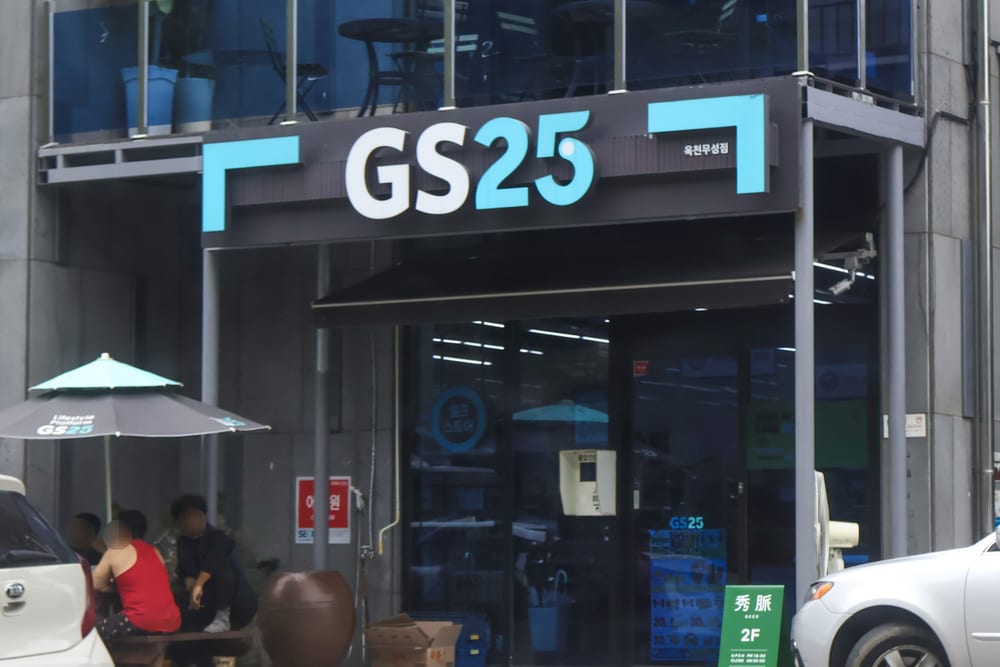
A convenience store here is less a shop than a counter where you send parcels, top up your transit card and buy medicine at midnight. A few rules come attached. Bags cost money, alcohol and tobacco are only sold against a physical ID, and in stores that run unstaffed overnight you cannot buy either at all.
Last verified:
Korean pizza brands and menus
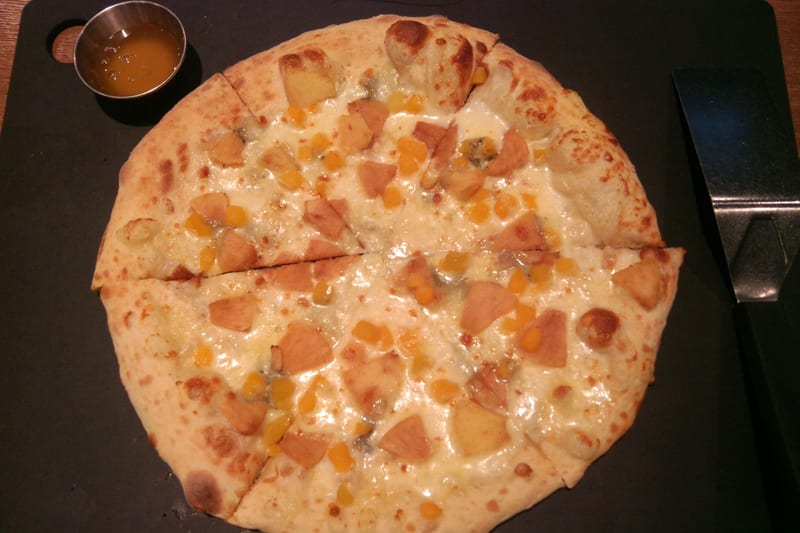
Half the menu is made up of things you have never seen at home. A rim stuffed with sweet potato mousse, bulgogi, potato and sweetcorn all sit in the standing lineup. A pie runs from under 10,000 won to the mid 30,000s depending on which tier of brand you pick, and for the same pizza, ordering delivery instead of collecting it yourself accounts for about thirty per cent of the price.
Last verified:
How Korean cafes work
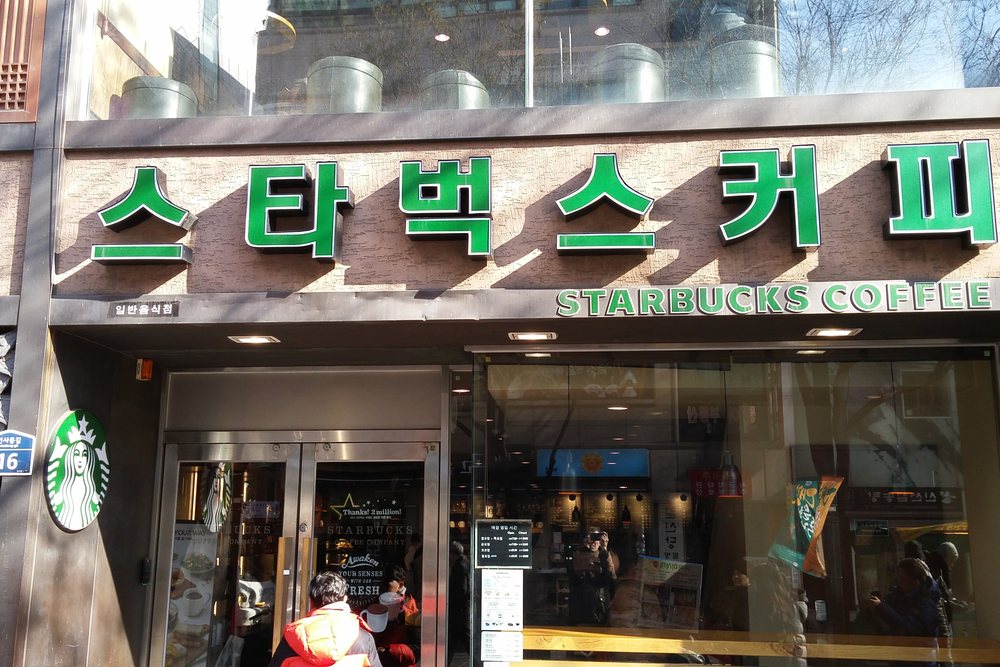
You order and pay at the counter first, then take a buzzer. The cup you get depends on whether you are staying or leaving, and some cafes welcome you for hours while others do not. Knowing that the price of an americano varies by two or three times between chains makes the day easier on its own.
Last verified:
Ordering food delivery in Korea
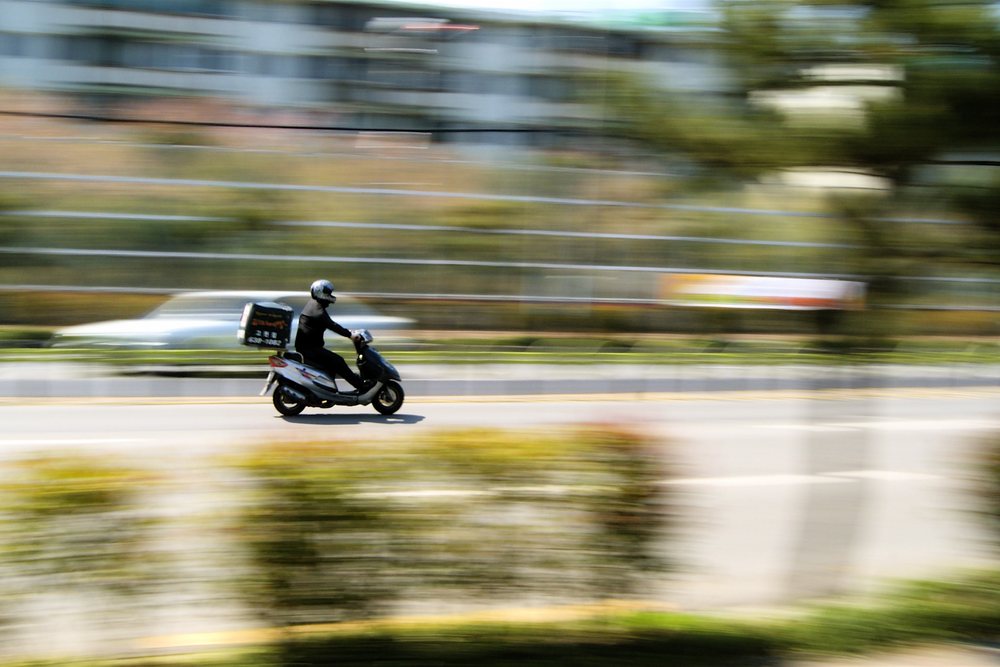
Signing up usually works. Where people get stuck is payment and the address. There are effectively three apps and all three support English, so this guide covers which one to pick and what to try, in order, when your card is refused.
Last verified:
Where to study or read in Seoul
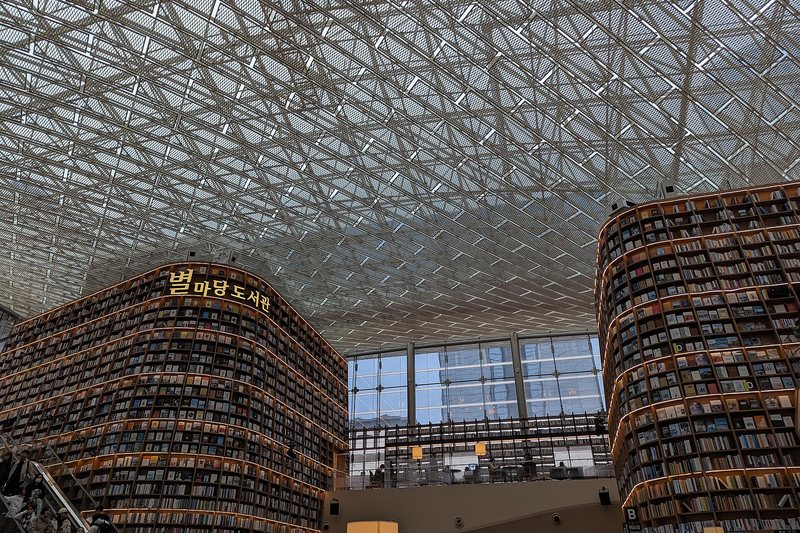
Seoul has plenty of places where you can sit for hours without paying. The libraries that are famous in photographs are not the ones where you get work done, and each one differs on whether you can simply walk in or need to register first.
Last verified: