
The short version
A hanuiwon is a medical institution like any other, and a doctor of Korean medicine holds a separate national licence.
Acupuncture, moxibustion, cupping and chuna therapy are covered by national health insurance; herbal decoctions are covered only for six conditions, and only under a pilot scheme. Knowing where that line falls is what keeps the bill from surprising you.
Deadlines that matter
Enrolling in national health insurance
By when: Six months after entry
If you miss it: Until then you pay the full cost yourself. Study (D-2), school exchange (D-4-3), non professional employment (E-9), permanent residence (F-5) and marriage migration (F-6) enrol on arrival instead.
The herbal decoction insurance pilot
By when: Runs to December 2026
If you miss it: Whether it continues after that follows an evaluation. While it runs, a prescription at a hanuiwon costs you 30 percent of the price.
Insured chuna therapy
By when: Twenty sessions a year
If you miss it: From the twenty first you pay in full. The count resets each calendar year.
Right now
- 1Most clinics take walk ins. Bring ID and know your insurance status, and registering works the same as at any clinic.
- 2Acupuncture, moxibustion and cupping are insured treatments. Herbal medicine usually is not, so ask the price first.
- 3Mention anything you are currently taking when you register. Some ingredients overlap with what would be prescribed.
What to have ready
- ARC or passport: Used to confirm who you are at reception.
- Your insurance status: If you are enrolled you pay only the patient share of covered treatment. The NHIS multilingual line on 1577-1000 can tell you.
- A list of your current medication: A photo works. It is checked against the prescription for overlaps.
- Clothes that roll up easily: Needles usually go in arms, legs and back. If your clothes are tight, they will hand you something to change into.
Phrases you can copy and paste
Step by step
- 1
A doctor of Korean medicine holds a different licence
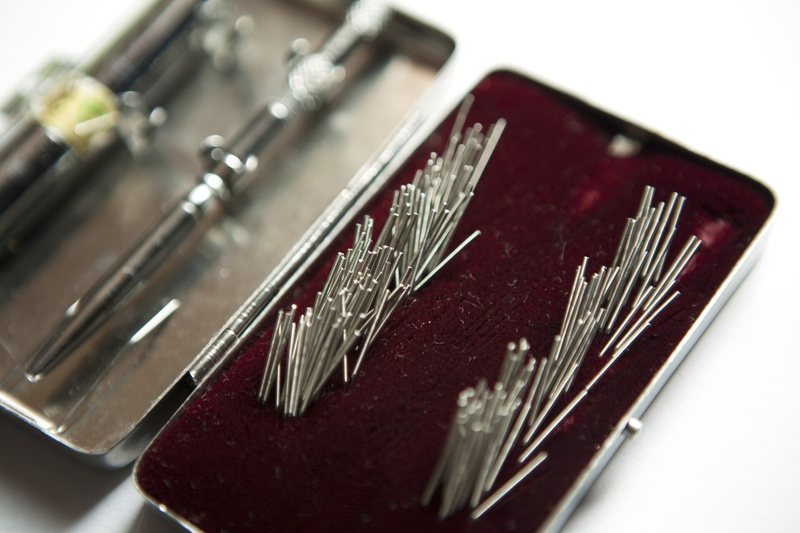
The Medical Service Act recognises five kinds of medical personnel: doctors, dentists, doctors of Korean medicine, midwives and nurses. Korean medicine is the third of those, reached through a six year college programme and a national exam. So a hanuiwon is not an alternative therapy shop but a medical institution on the same footing as a clinic, issuing medical certificates and billing national health insurance. It shares roots with Chinese medicine, though the training and the regulation grew up separately in Korea, and the needles are generally finer and set shallower. A first visit tends to open with questions and a pulse reading, and the questions go on for a while: where, since when, and in what way.
- 2
Choosing between a clinic and a hospital
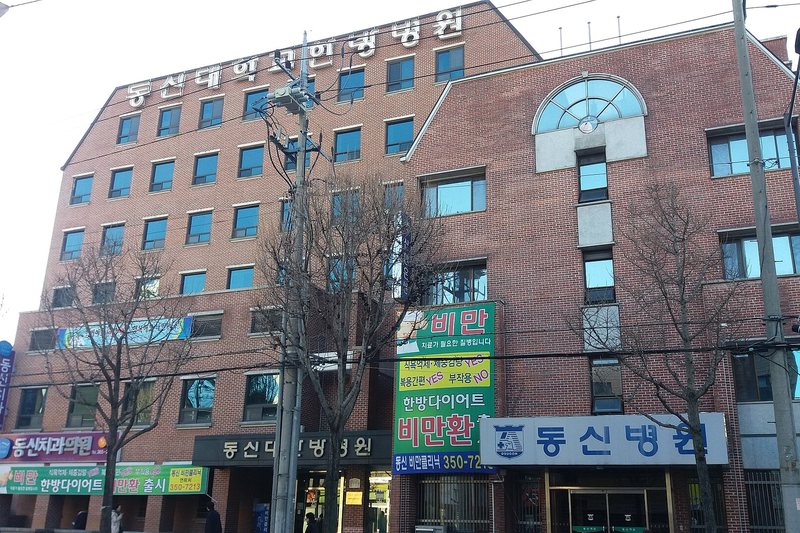
The last syllable of the name tells you the size. A hanuiwon is the neighbourhood clinic; a hanbang byeongwon is a hospital with inpatient beds. For a first try at acupuncture, the clinic you can walk to is the right choice. For a neck or back after a traffic accident, where treatment runs for weeks or admission is possible, the hospital side makes more sense. Either way the Health Insurance Review and Assessment Service lets you search for what is near you and what each place treats. Some general hospitals also run a Korean medicine department, which is worth looking for if you want both kinds of care in one building.
- 3
Acupuncture, moxibustion and cupping are all insured
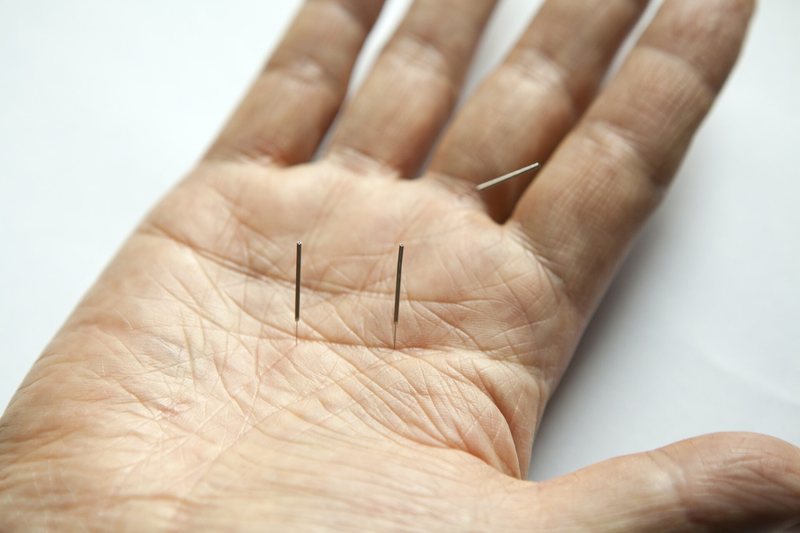
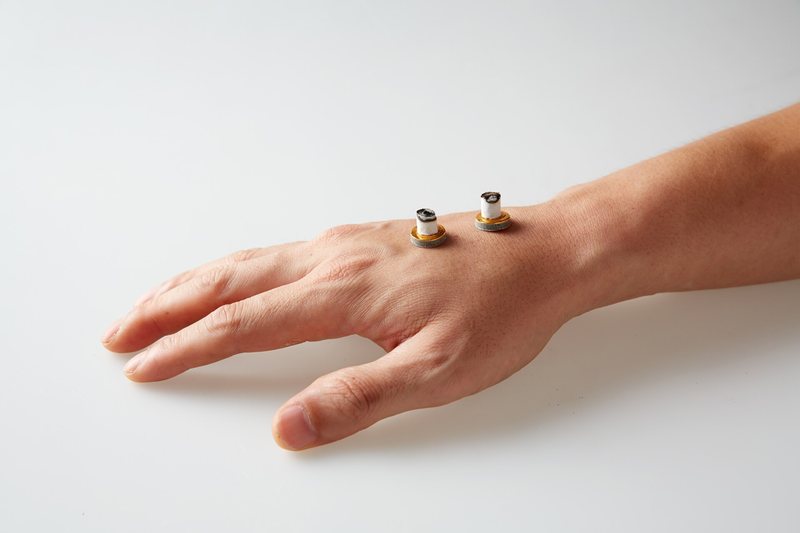
These three come up most often. Acupuncture puts fine needles into tight muscle or specific points, and everything used today is sterile and single use. Moxibustion burns mugwort near the skin, and the warmth lingers well afterwards. Cupping draws the skin up into a cup by removing the air, which leaves round marks for a few days. All three are covered benefits, so even with the consultation fee the cost stays modest. Pharmacopuncture, where a herbal extract is injected at the same points, is not covered and is billed on top. The names look similar; the receipt does not treat them the same way.
- 4
Chuna therapy comes with a session limit
This is hands on work, pushing and pulling joints and muscle back into position. It became an insured treatment in April 2019, capped at twenty sessions per patient per year. The patient share is 50 percent as standard, rising to 80 percent for complex chuna on musculoskeletal conditions other than disc problems and spinal stenosis. In other words it is covered, but you carry more of it than with other insured care. If a back or neck is going to mean repeat visits, ask at the first appointment how many sessions are planned.
- 5
Herbal medicine is mostly uncovered, with six exceptions
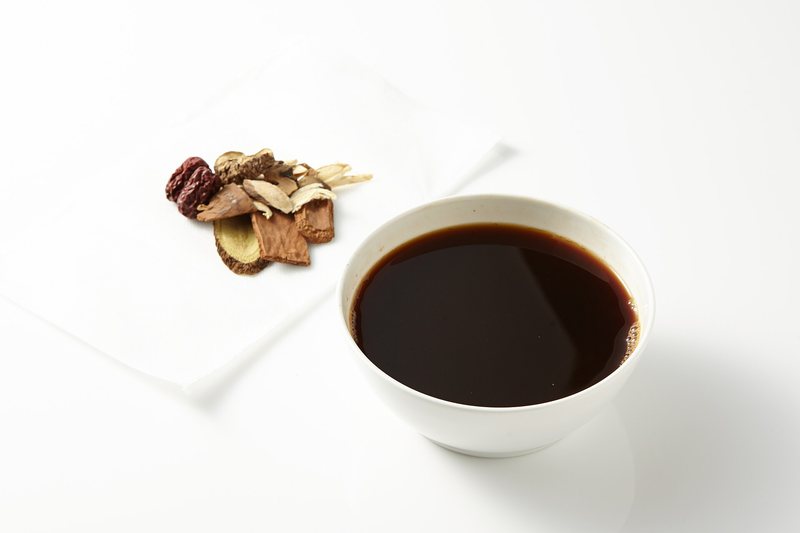
This is where prices diverge sharply. As a rule herbal medicine sits outside national health insurance and the clinic sets the price. The exception is the herbal decoction pilot, which widened to six conditions in April 2024: period pain, facial nerve palsy and the after effects of cerebrovascular disease, joined by allergic rhinitis, functional dyspepsia and lumbar disc herniation. If yours is on that list you can have up to two conditions treated per year, twenty days of medicine each, at a patient share of 30 percent at a clinic, 40 percent at a Korean medicine or general hospital department and 50 percent at a general hospital. Anything outside it you pay in full, so ask what a given number of days costs before it is prepared.
- 6
One bill, covered and uncovered mixed together
A single visit routinely contains both. The acupuncture is covered while the pharmacopuncture given at the same time is not; the chuna is covered while the herbal prescription you leave with is not. The receipt splits the two, so a glance at it on the way out makes the next visit predictable. If you hold private indemnity insurance, part of the uncovered side may come back to you, though some policies exclude Korean medicine entirely and only the terms will tell you. After a traffic accident, car insurance pays for Korean medicine treatment, so give the accident reference number when you register.
- 7
If you want to see the raw ingredients, go to the market
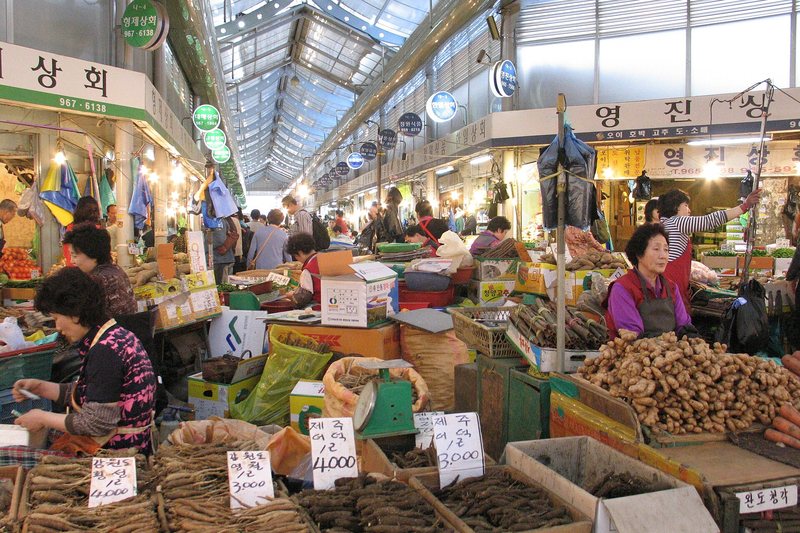
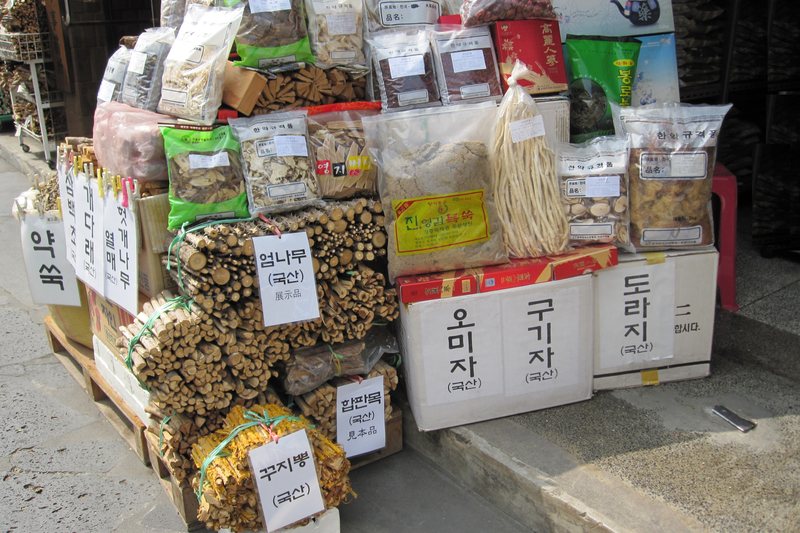
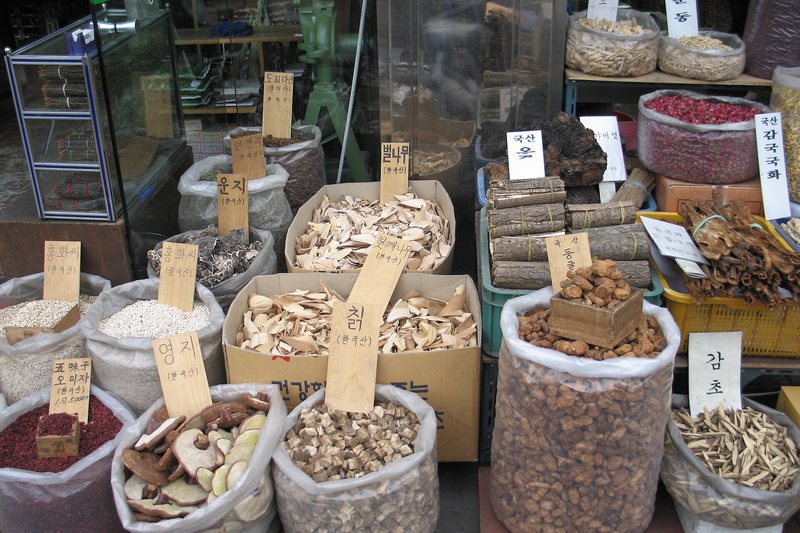
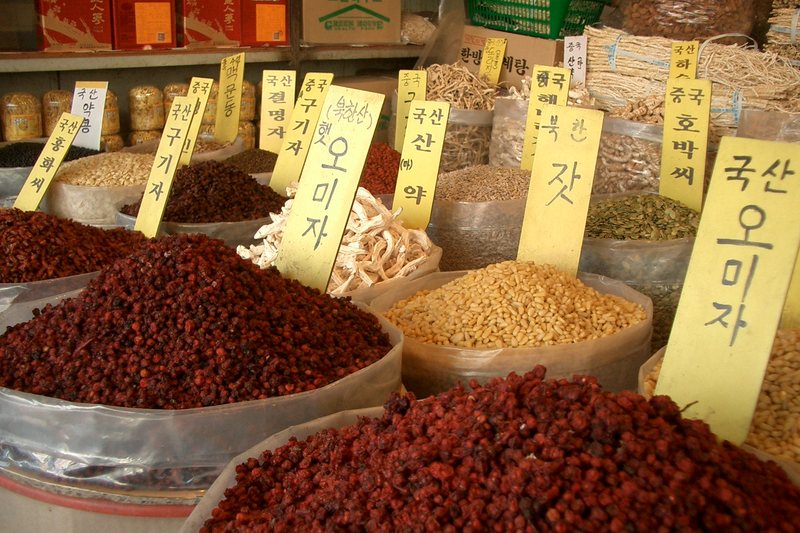
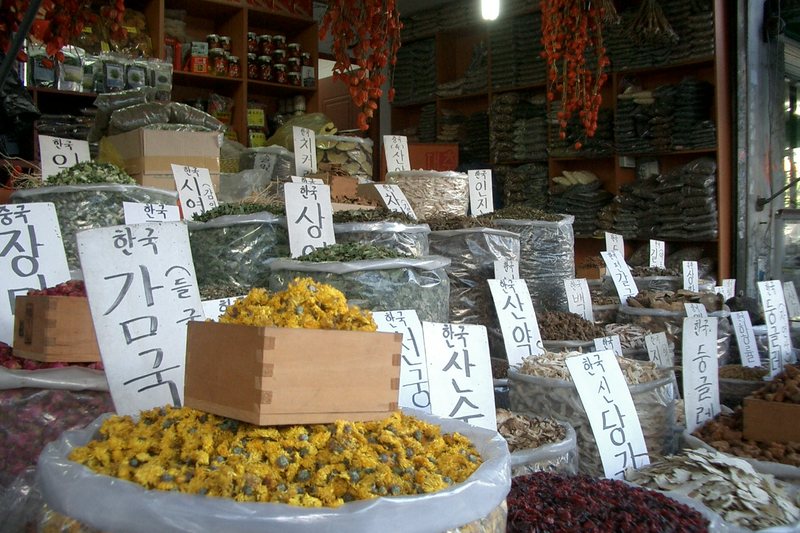
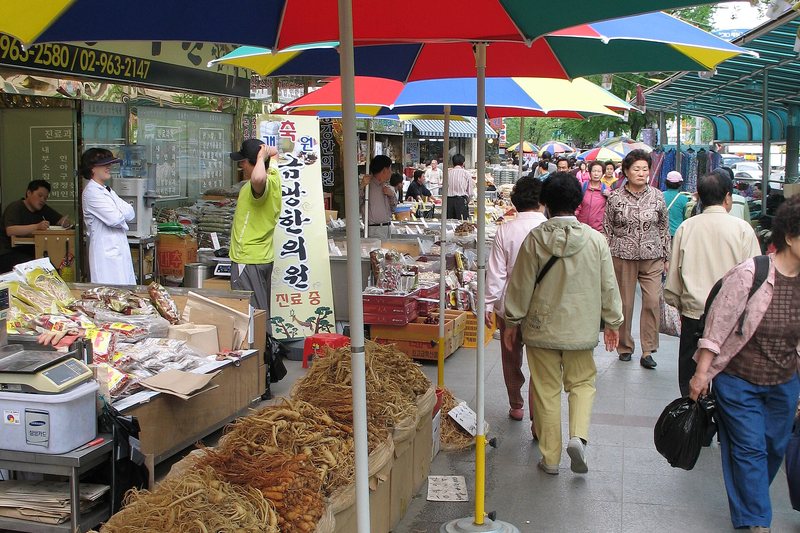
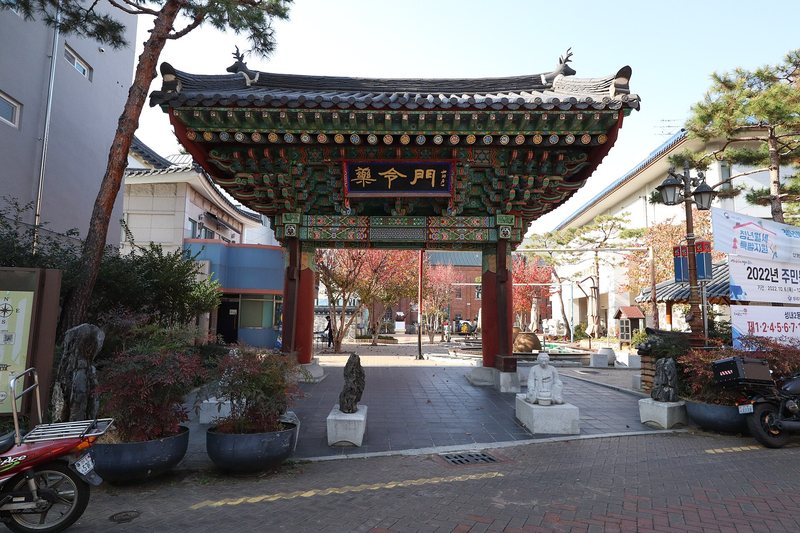
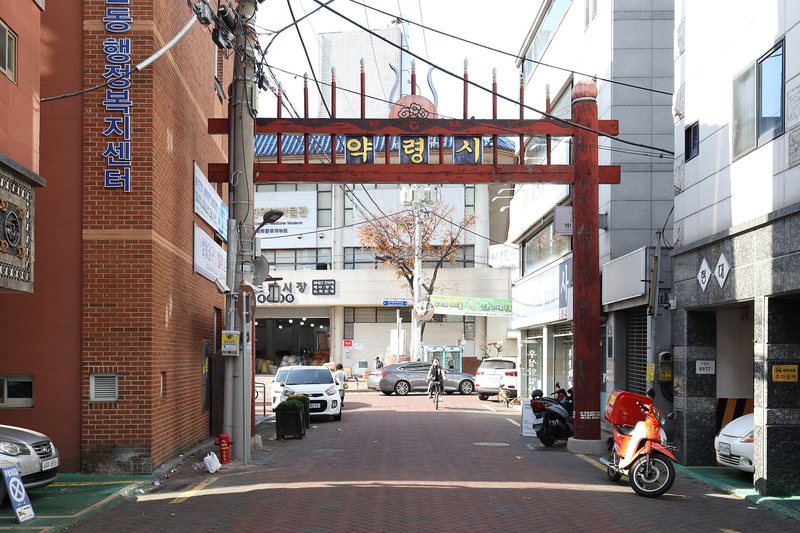
Around Jegi-dong in Seoul, the Seoul Yangnyeongsi and Gyeongdong Market area is a wholesale street for medicinal ingredients. Dried roots, bark and flowers sit in open sacks down both sides of the lanes and the scales never stop. In central Daegu, Daegu Yangnyeongsi has run as a medicine market since the Joseon period; a traditional gate stands at the entrance and a museum of Korean medicine sits alongside. Both are free to walk through, but what you buy there is closer to a food ingredient than a prescription. If the point is treatment, being seen at a clinic and getting it prescribed is the safer route.
- 8
While you are taking herbal medicine
The single most important thing is naming everything else you take. Blood thinners, blood pressure medication and diabetes medication are checked for overlapping effects and the prescription is adjusted. It works the other way too: tell any other doctor you see that you are on a herbal prescription. Say so as well if you are pregnant or planning to be. It is usually taken two or three times a day after meals, warmed, and these days it arrives in sealed pouches. If hives or stomach trouble appear, stop the rest and call the clinic that prescribed it. Do not increase the dose on your own, and do not take prescriptions from two clinics at once.
Watch it happen
Videos other people made, picked because they show a part of this guide that words cannot. They are not our sources: the rules and figures above come from the official pages listed at the end.
체질검사 받으러 갔다가 한의원 제대로(?) 경험한 영국 쌍둥이!!?? (ft.신검 한의원 ver.)
Channel: 영국남자 Korean Englishman, Korean, with English subtitles
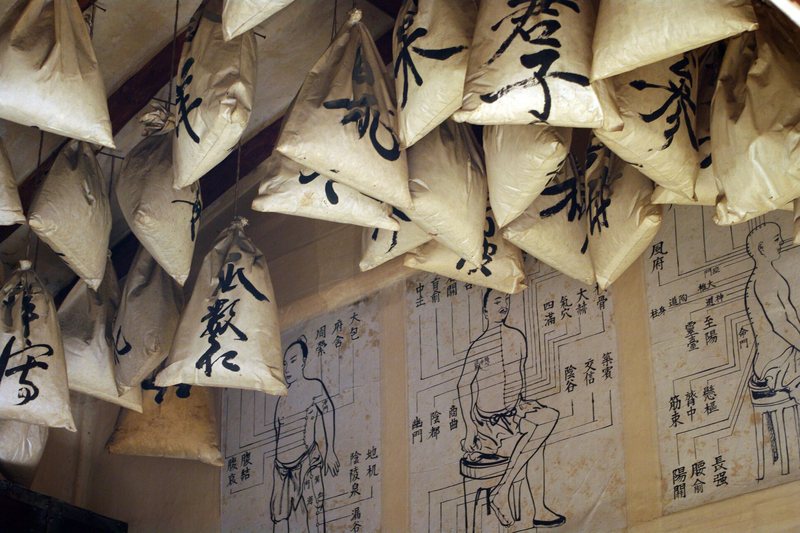
Two first time patients are followed through a body constitution check from the consultation desk to the treatment table, so you see the order a visit actually takes.
👨🏾🍳 난생 처음 한의원에서 침+부항 치료를 받은 백악관 셰프의 반응!
Channel: 얌코리아 YumKorea, Korean, with auto-generated English subtitles
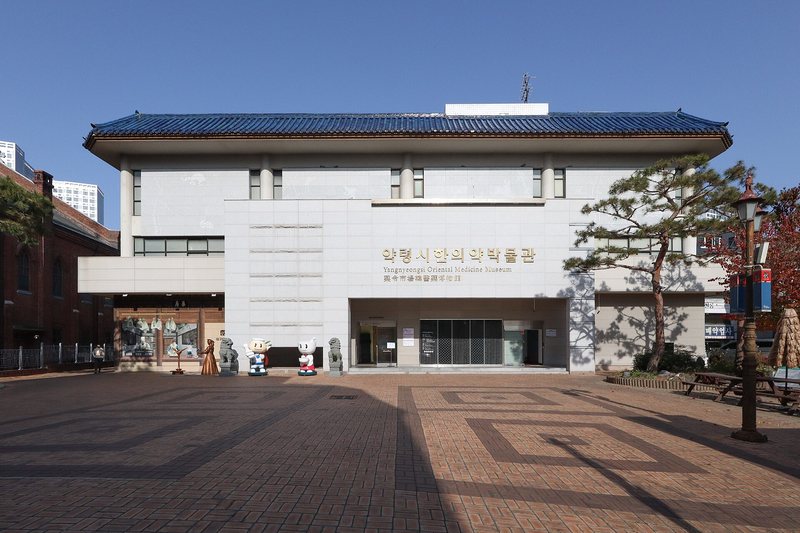
Acupuncture and cupping are filmed close up at a clinic in Hannam, so you can see how the needles and cups are actually placed before you agree to either.
The Korean words
- 한의원hanuiwon, Korean medicine clinic
- A neighbourhood sized Korean medicine practice.
- 한방병원hanbang byeongwon, Korean medicine hospital
- The larger kind, with inpatient beds.
- 침chim, acupuncture
- Treatment with fine needles. Covered by insurance.
- 뜸tteum, moxibustion
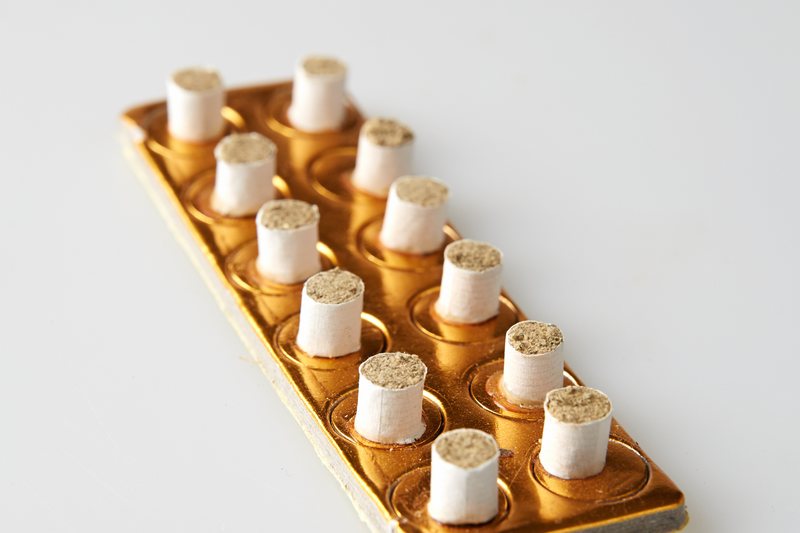
- Heat from burning mugwort held near the skin.
- 부항buhang, cupping
- Suction cups on the skin. The marks last a few days.
- 추나요법chuna yobeop, chuna manual therapy
- Hands on joint work. Insured for twenty sessions a year.
- 한약hanyak, herbal medicine
- Medicine taken as a decoction. Usually not covered.
- 첩약cheobyak, prescribed herbal decoction
- A prescribed course. Covered under a pilot for six conditions.
- 급여 / 비급여geubyeo / bigeubyeo, covered / not covered
- The two halves of any Korean medical bill.
Easy to miss
- Asking the price of herbal medicine after it has been prepared. It is uncovered and priced by the clinic, so ask what a given number of days costs first.
- Treating acupuncture and pharmacopuncture as the same thing. One is covered and one is not, and the bill shows it.
- Going past twenty chuna sessions. From the twenty first you pay the whole amount.
- Not mentioning what you already take. Overlapping ingredients change the prescription.
- Assuming private insurance refunds all Korean medicine. Some policies leave it out altogether.
- Turning up without national health insurance. Before the six month mark, most people pay the full cost.
You can skip this if
- A high fever, breathing trouble or a bleeding injury belongs at an emergency room, not a Korean medicine clinic.
- If you need antibiotics or painkillers on prescription, that is a regular clinic and the pharmacy next door.
- For a short visit of a few weeks, treatment built around repeat sessions is the wrong fit.
When it is time for a person
- If even your insurance status is unclear, someone who can sort out visa and coverage together will save you a lot of guessing.
Don't Panic Companion
If you would rather not do this alone
A Korean companion can go with you for this: to the counter, the shop, the clinic or the viewing, and stay until it is sorted. It is paid help from the person who writes these guides, arranged by email.
One honest note. My English is limited, so this is not an interpreting service. A translation app can carry the words. What a companion adds is asking the clerk or the landlord again, reading what is actually going on, and being someone beside you who is not in a hurry.
Paid. The fee and the date are agreed by email before anything is booked. Asking costs nothing.
Where this comes from
- Medical Service Act, Article 2 on medical personnel (Korean Law Information Center)
- Second stage of the herbal decoction insurance pilot expands coverage and choice (Ministry of Health and Welfare press release)
- Chuna manual therapy covered by health insurance from the 8th of next month (Korea Policy Briefing)
- Health insurance for foreign nationals and overseas Koreans (National Health Insurance Service)
- Find a hospital or pharmacy (Health Insurance Review and Assessment Service)
Rules, fees and deadlines change and depend on your exact case. Please confirm the details with the official sources before you act.