
The short version
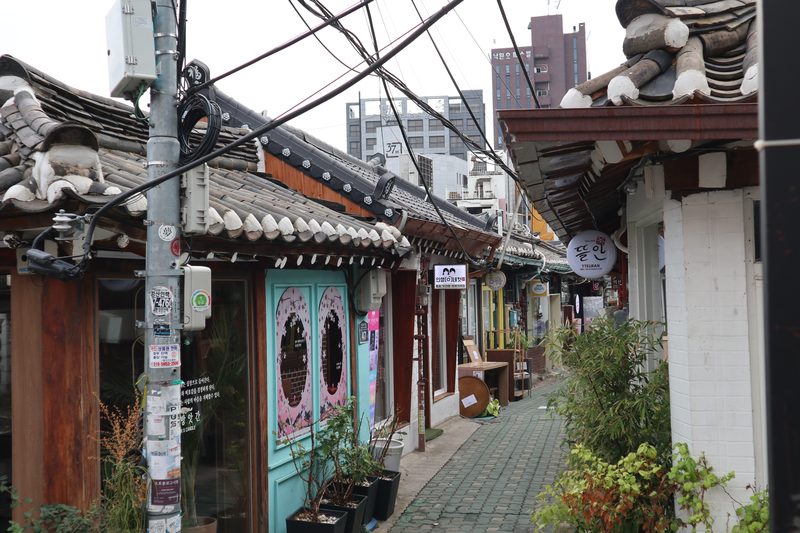
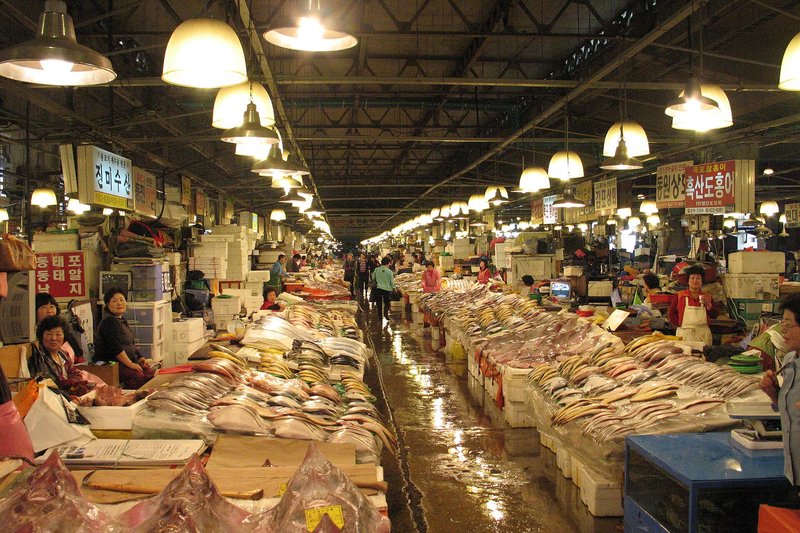
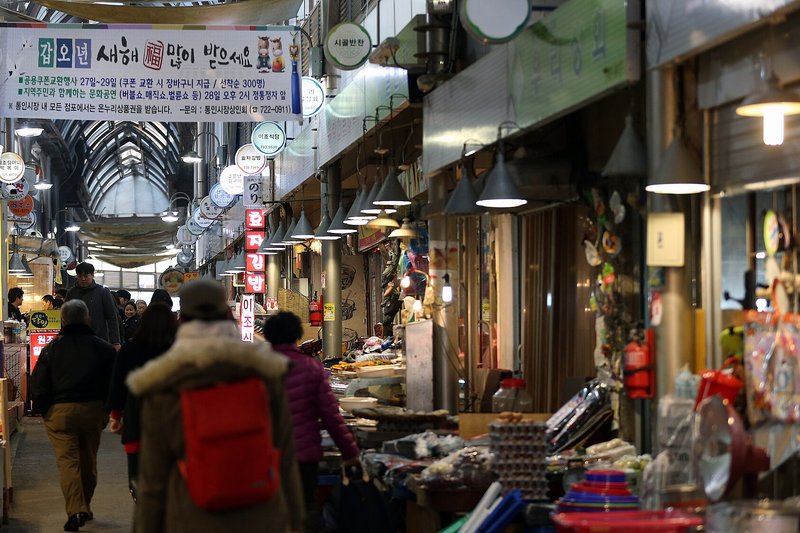
Each market has its own character. Gwangjang for a food alley, Noryangjin for raw fish picked off the ice, Namdaemun to wander widely, Ikseon-dong for a café-alley mood.
Right now
- 1Hours and closing days vary by stall. If you have a specific place in mind, check again before you go.
- 2Cash still works better at some stalls. Carry a little cash along with a card.
- 3Food alleys mean tight seating, close to the vendor. That closeness is part of the experience.
Getting there
From Incheon Airport (Terminal 1 and Terminal 2)
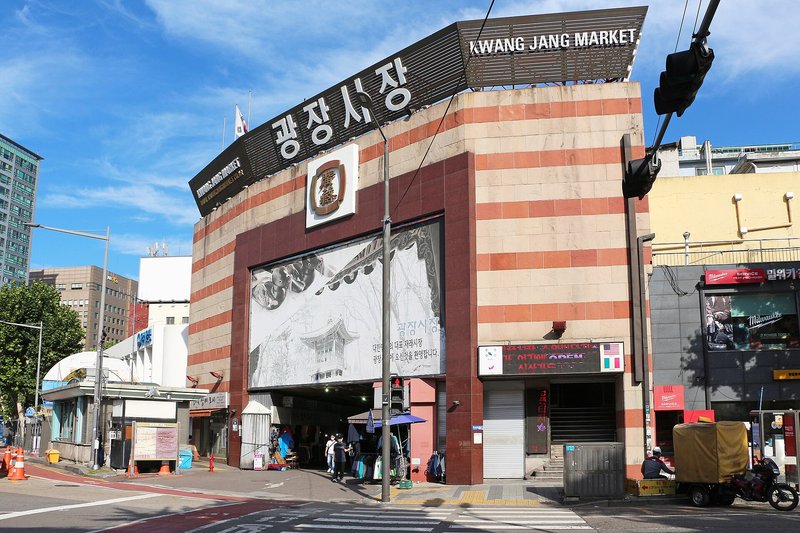
At the passenger terminal, go down to the Airport Railroad (공항철도) platform and take the all-stop train to its last stop, Seoul Station. Transfer to Line 1 and ride toward Cheongnyangni and Soyosan for four stops to Jongno 5-ga Station. Come out of Exit 8 and Gwangjang Market is 62 m ahead.
- How long:
- Roughly 1 hour 20 minutes to 1 hour 40 minutes from Terminal 1
The express train is faster, about 43 minutes from Terminal 1 and about 51 minutes from Terminal 2, but it takes a separate ticket.
From Seoul Station
From Seoul Station on Line 4, ride toward Danggogae and Jinjeop for one stop to Hoehyeon Station. Come out of Exit 5 and Namdaemun Market is 17 m ahead. For Gwangjang Market, take Line 1 toward Cheongnyangni and Soyosan for four stops to Jongno 5-ga Station and leave through Exit 8.
- How long:
- Roughly 10 to 15 minutes to Namdaemun Market
Exits 6 and 7 at Hoehyeon Station also reach the market, but Exit 5 is the closest. Namdaemun Market closes on Sundays.
From Hongik Univ. Station (where lodging is concentrated)
From Hongik Univ. Station on Line 2, ride toward City Hall and Euljiro 1-ga for five stops to City Hall Station, then transfer to Line 1 toward Cheongnyangni and Soyosan for three stops to Jongno 5-ga Station, Exit 8. The Airport Railroad under the station is another way: two stops to Seoul Station, then Line 1.
- How long:
- Roughly 35 to 45 minutes
The food alley runs until 23:00, so setting out in the evening still works. The general stalls and the hanbok and fabric shops upstairs close at 18:00, and none of them open on Sundays.
From Gwangjang Market (linking all five in one day)
Ikseon-dong: Line 1 toward Incheon and Sinchang, one stop, Jongno 3-ga Exit 6. Tongin: Line 3 toward Daehwa, two stops, Gyeongbokgung Exit 2. Namdaemun: toward Ogeum to Chungmuro, Line 4 toward Oido, Hoehyeon Exit 5. Noryangjin: toward Oido one stop to Seoul Station, Line 1 toward Incheon and Sinchang, three stops.
The Tongin Market lunchbox cafe (도시락 카페) closes on Mondays and runs 11:00 to 15:00 on weekdays, only to 16:00 on Saturdays. All of Tongin Market closes on the third Sunday of each month.
What to have ready
- A little cash: Some small stalls do not take cards.
- An empty stomach: Tasting your way through a market fills you up fast.
Phrases you can copy and paste
Step by step
The route on a map
- 1
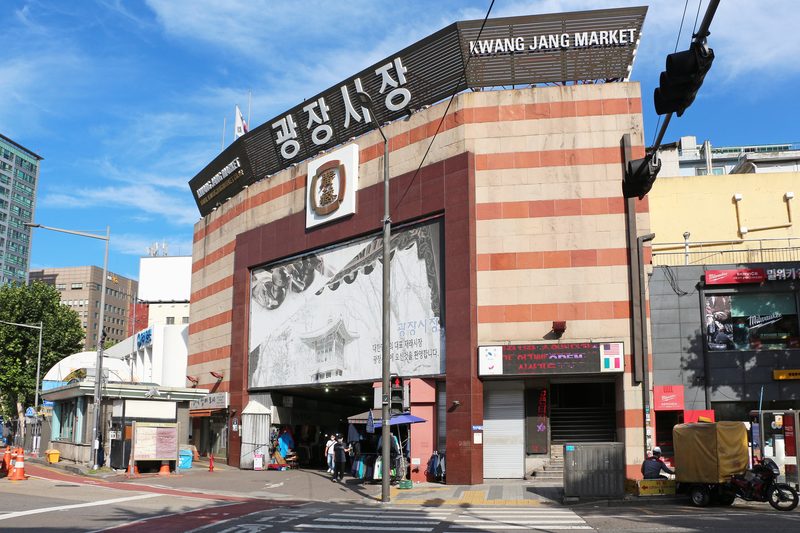
Gwangjang Market
- Where:
- Jongno 5-ga Station, Line 1, Exit 8, or Euljiro 4-ga Station, Lines 2 and 5, Exit 4
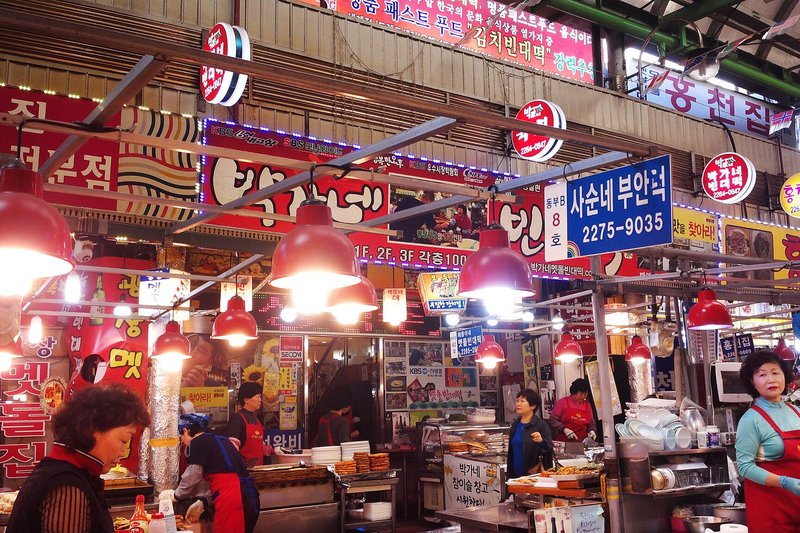
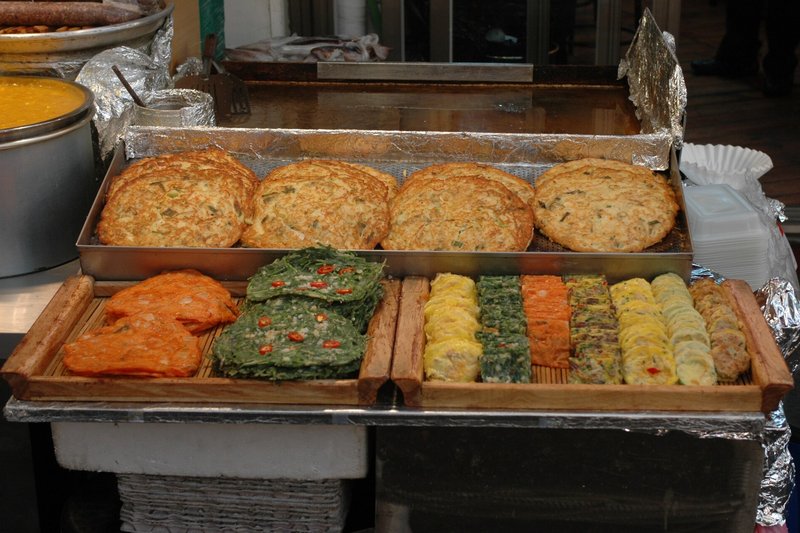
Seoul's best-known food alley. Mung bean pancakes fried in front of you, mini gimbap, and raw beef are the signatures, and the sound of grinding mung beans and the smell of frying oil hit you from the first steps in. General stalls run roughly 9am to 6pm, the food alley stays open later, until around 11pm, and is said to run every day of the year; general stalls close on Sundays. Squeezing onto a narrow bench shoulder to shoulder with the next customer is simply how this market works, and if you head upstairs, the hanbok and fabric shops show you the market's other face.
88 Cheonggyecheon-ro, Jongno District, Seoul, South Korea, ★ 4.2 (44,134)
- 2
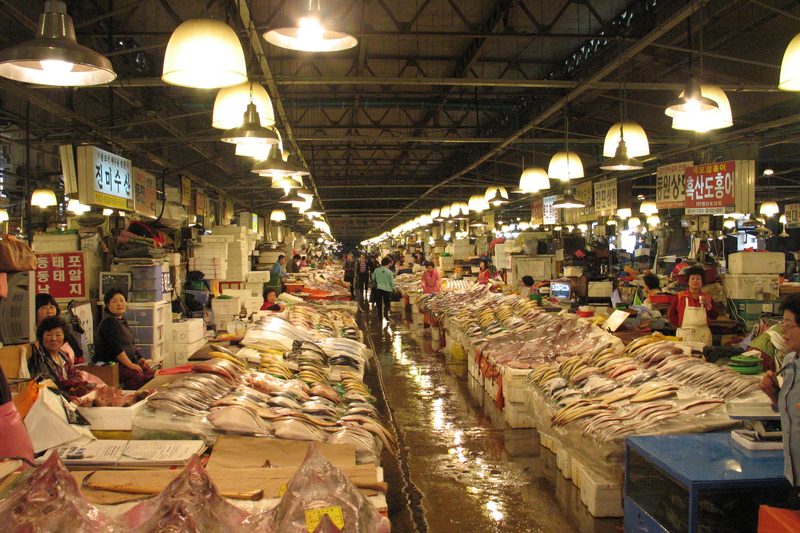
Noryangjin Fish Market
- Where:
- Noryangjin Station, Lines 1 and 9
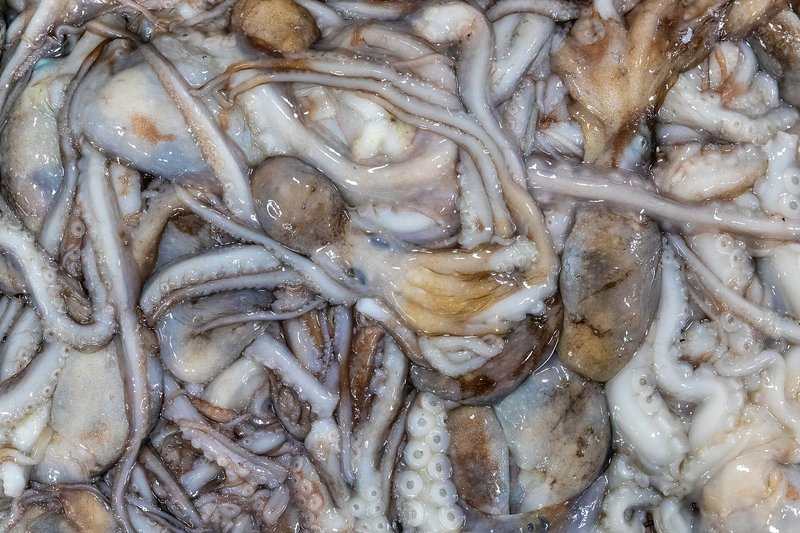
Pick your seafood straight from the tanks and it gets cleaned and sliced on the spot. The usual flow is to carry your fish to one of the restaurants inside the market, pay a table setting fee, and have spicy fish stew made from the trimmings alongside. Prices and prep fees vary by stall, so ask what is included before you order. This is not a fixed-price market: browsing a few stalls and comparing is exactly how you save.
674 Nodeul-ro, Dongjak District, Seoul, South Korea, ★ 3.9 (30,580)
- 3
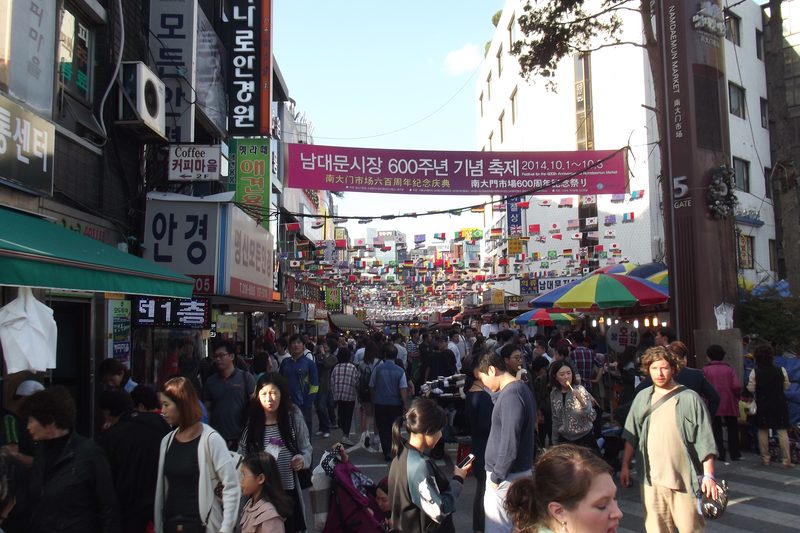
Namdaemun Market
- Where:
- Hoehyeon Station, Line 4, or Seoul Station, Lines 1 and 2
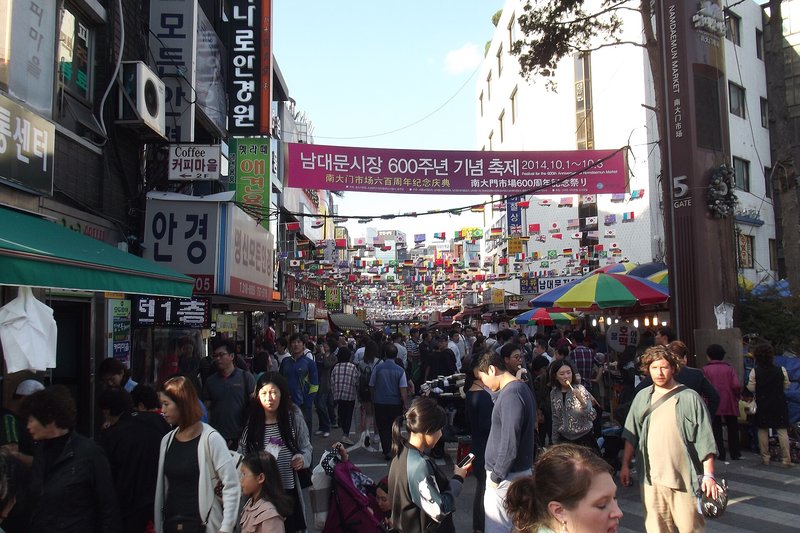
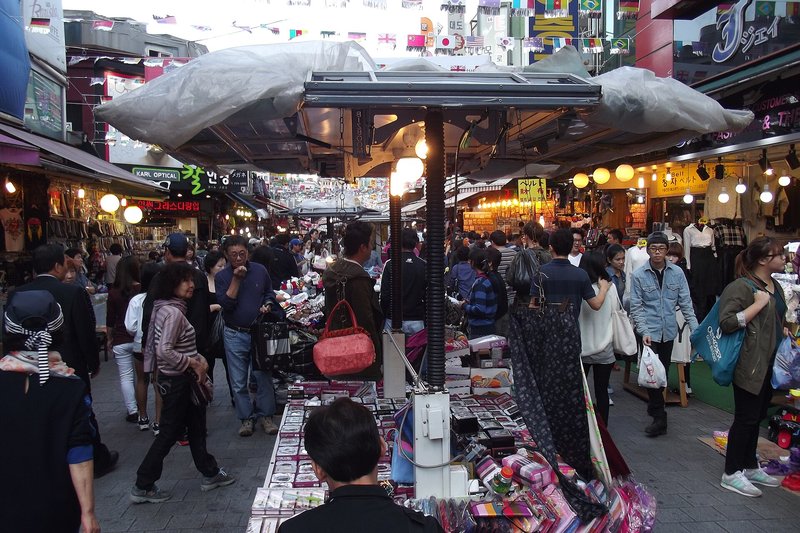
A sprawling general market where clothing, dishes, glasses, and food stretch on section after section. Food landmarks like the braised cutlassfish alley and the hotteok pancake stands are tucked all through it. It is too big to see whole, so picking a section before you go in (a food alley, clothing, kitchenware) saves you from wandering without direction.
21 Namdaemunsijang 4-gil, Jung District, Seoul, South Korea, ★ 4.2 (28,276)
- 4
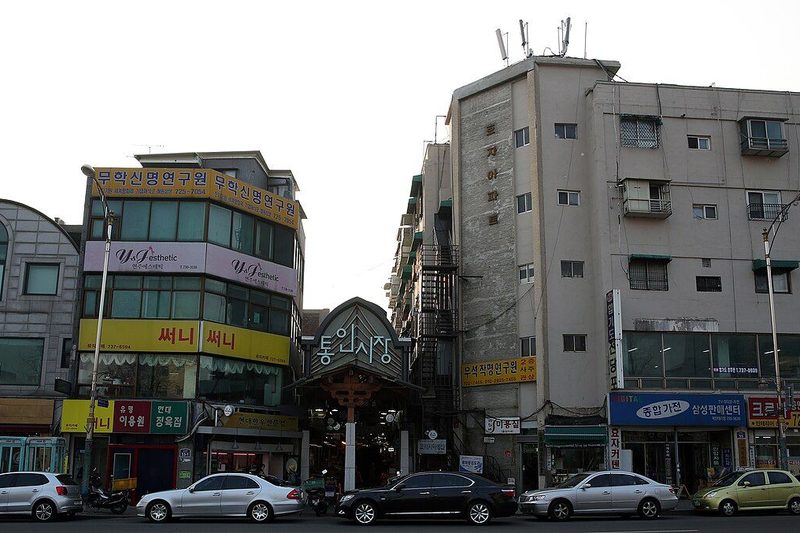
Tongin Market
- Where:
- Gyeongbokgung Station, Line 3
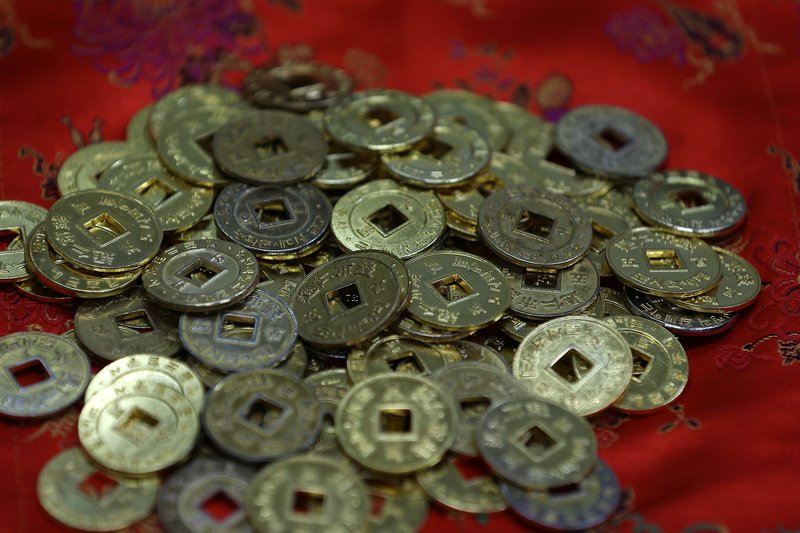
A small arcade market known for the 'coin lunchbox': you buy old-style coin tokens inside the market, then walk the alley with an empty tray, trading coins for small helpings like oil tteokbokki as you go. It suits anyone who would rather sample many things in small bites than commit to one dish. It sits close to the west wall of Gyeongbokgung Palace, so it makes an easy lunch stop after a palace visit.
18 Jahamun-ro 15-gil, Jongno District, Seoul, South Korea, ★ 3.8 (7,660)
- 5
Ikseon-dong
- Where:
- Jongno 3-ga Station, Lines 1, 3, and 5
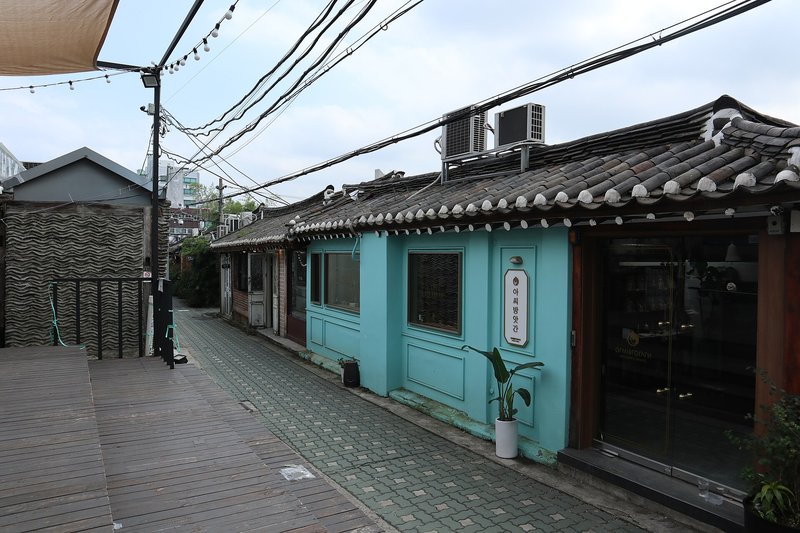
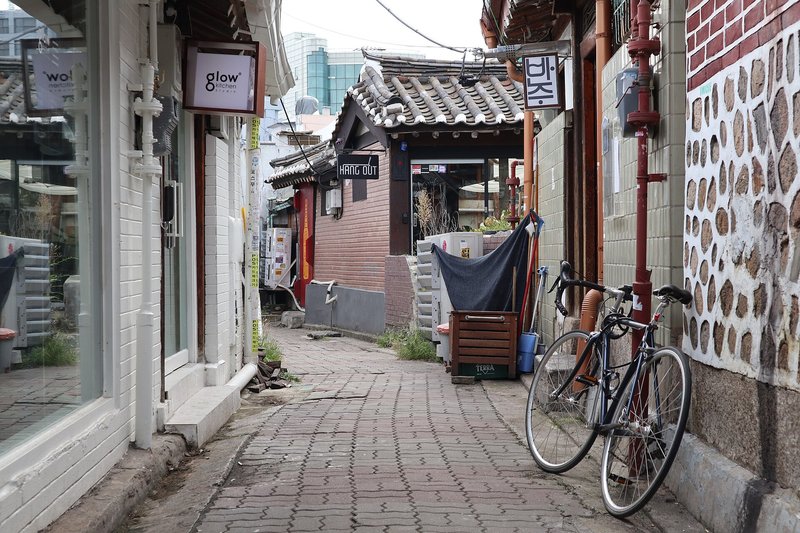
Less a traditional market than a maze of low hanok alleys packed with cafés, restaurants, and little shops. The lanes twist tightly enough that getting lost without a destination is part of the fun. Fixed menu prices are standard here, so there is little of the bargaining culture, and card and mobile payment are common. Weekend evenings bring long waits at the popular spots, so a weekday afternoon is the calmer time to come.
Ikseon-dong, Jongno District, Seoul, South Korea
Watch it happen
Videos other people made, picked because they show a part of this guide that words cannot. They are not our sources: the rules and figures above come from the official pages listed at the end.
KOREAN STREET FOOD - Gwangjang Market Street Food Tour in Seoul South Korea | BEST Spicy Korean Food
Channel: Luke Martin, English narration, subtitles in many languages
Gwangjang filmed stall by stall, so you can see how the seating works, how orders are placed at a counter with no menu in English, and what a portion actually looks like.
The Korean words
- 빈대떡bindae-tteok, mung bean pancake
- A pancake made from ground mung beans. Gwangjang Market's signature dish.
- 엽전 도시락yeopjeon dosirak, coin-currency lunchbox
- A lunchbox filled using old coin-shaped tokens, Tongin Market's specialty.
- 상차림비sangcharim-bi, table setting fee
- The seat fee you pay to eat market-bought fish at a restaurant inside. Standard practice at Noryangjin.
Easy to miss
- Visiting Gwangjang Market's general stalls on a Sunday and finding them shuttered catches people off guard (the food alley stays open).
- Noryangjin is not fixed-price, so asking for the price upfront saves a surprise later. Know too that carrying your fish to a restaurant adds a separate table setting fee.
- Namdaemun Market is large enough that wandering without a plan eats up more time than you expect.
You can skip this if
- If spicy food or unfamiliar spices make you nervous, look over the stalls first and start with something familiar before trying each market's signature dish.
Where this comes from
Rules, fees and deadlines change and depend on your exact case. Please confirm the details with the official sources before you act.